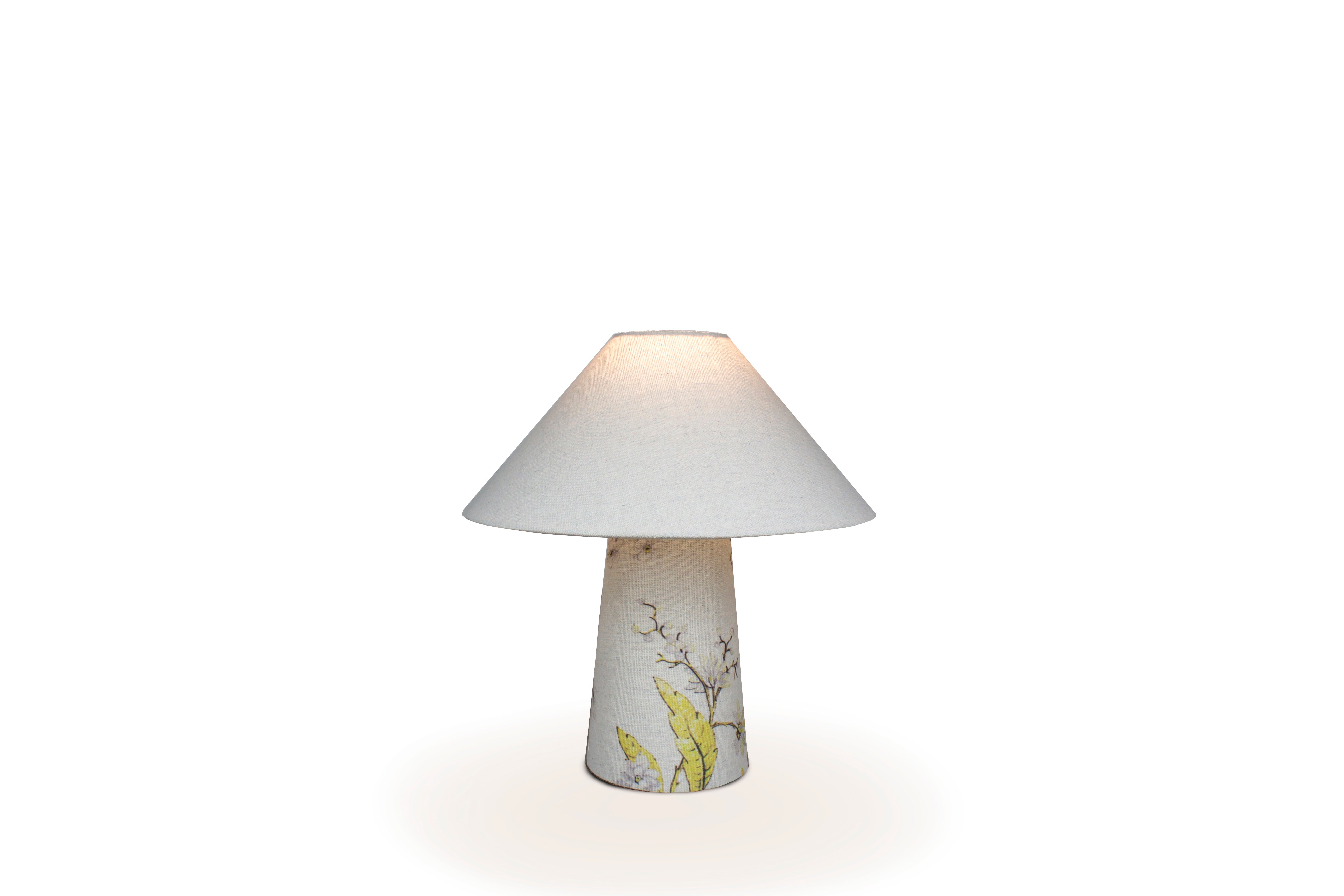
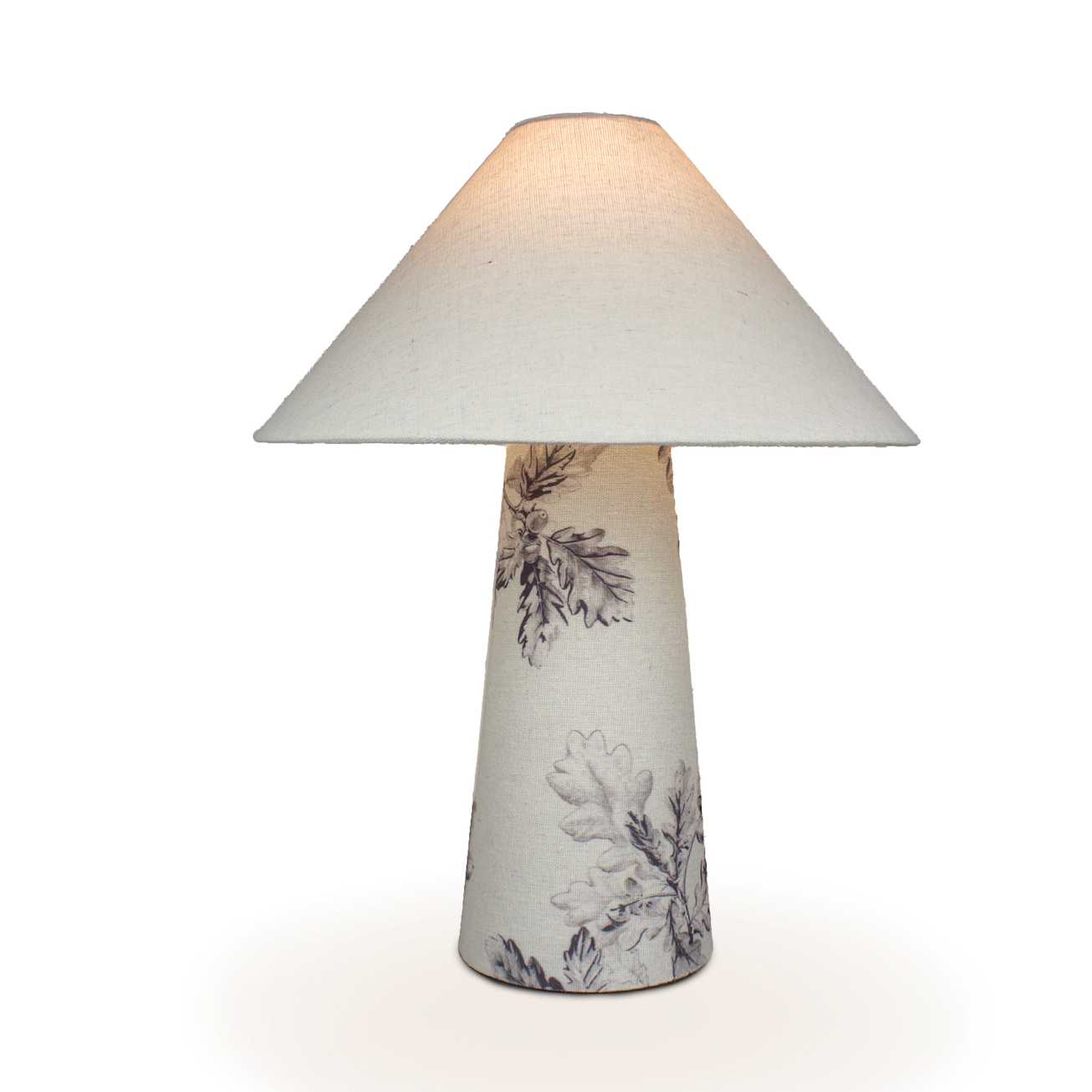
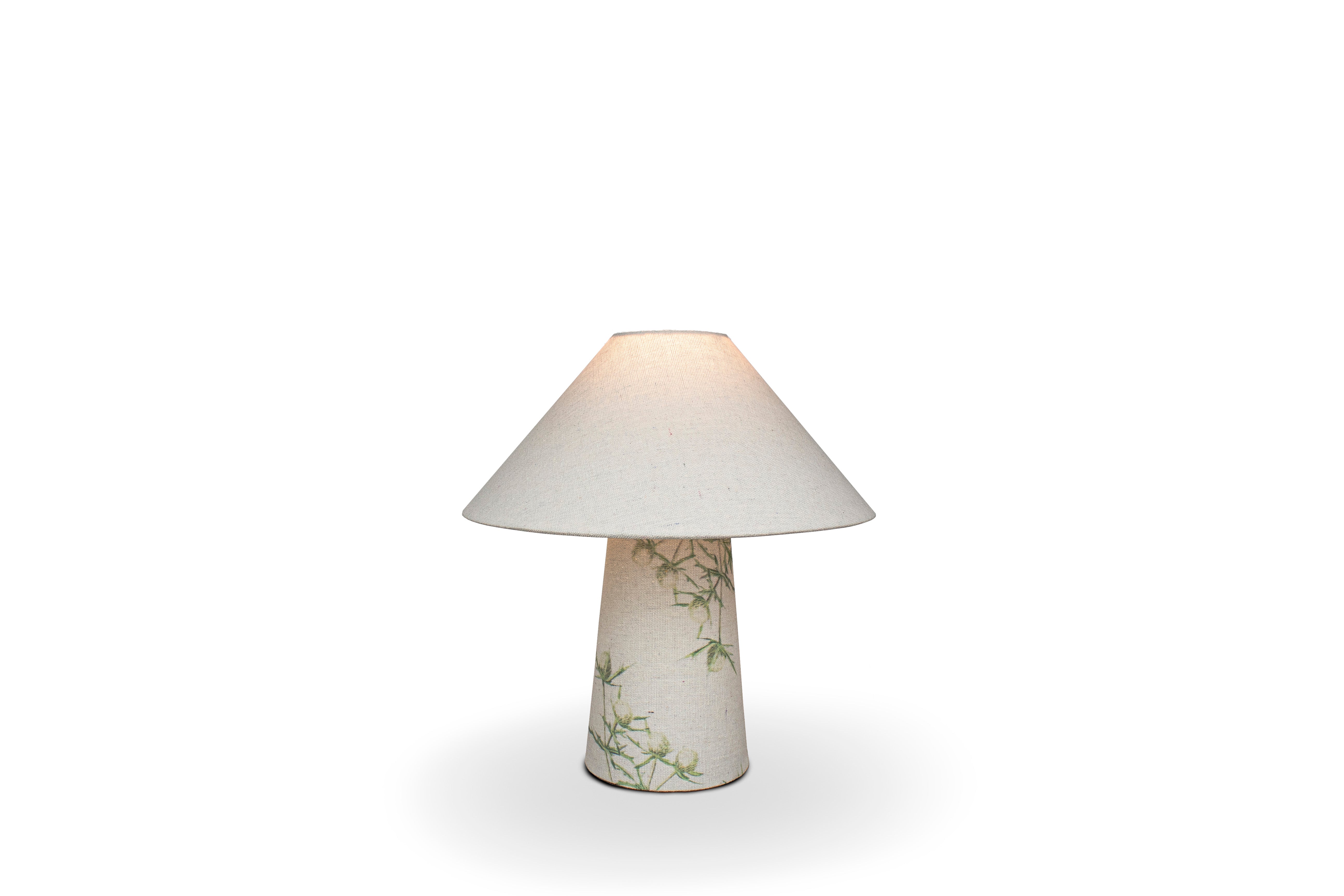
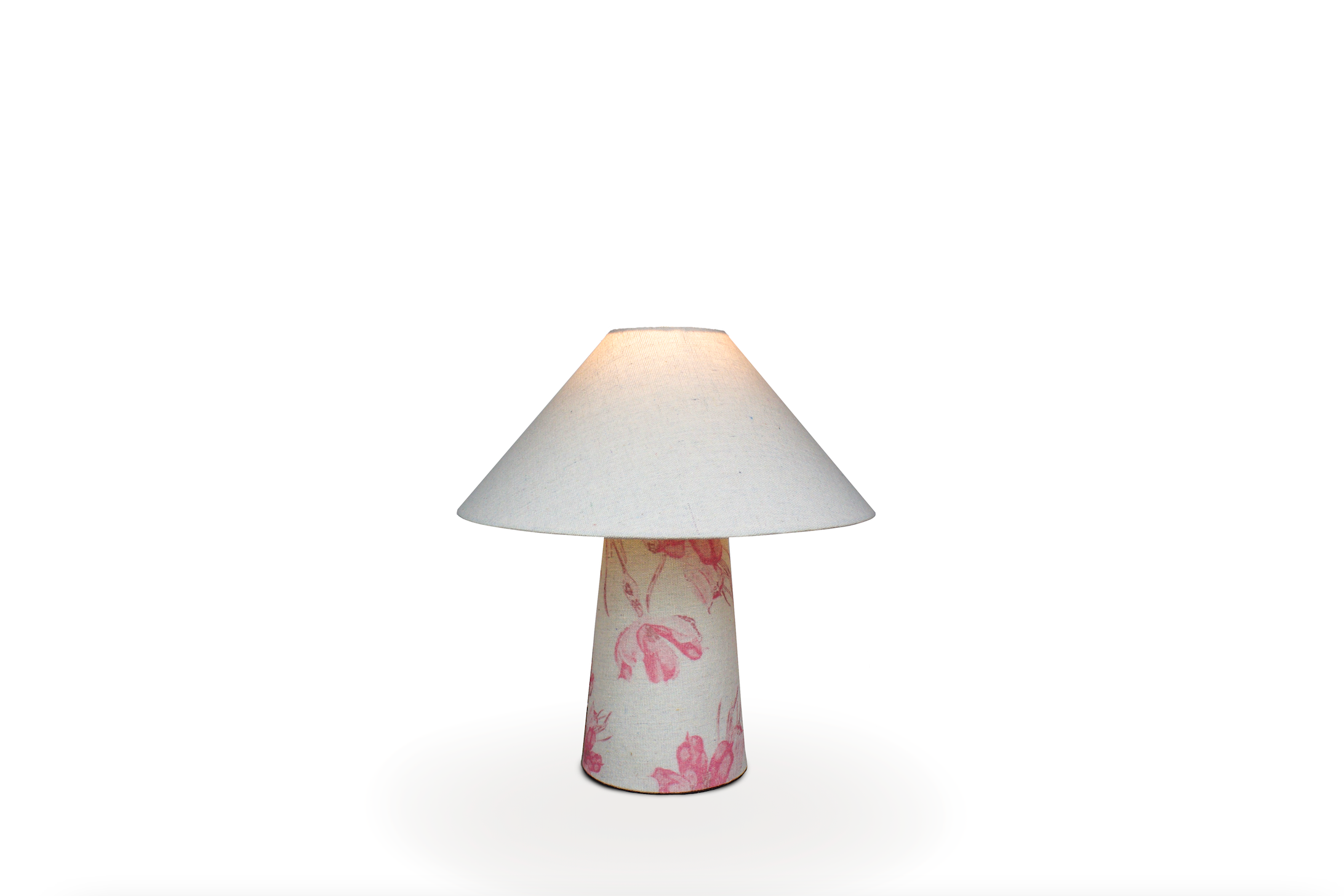
Customers also purchased:
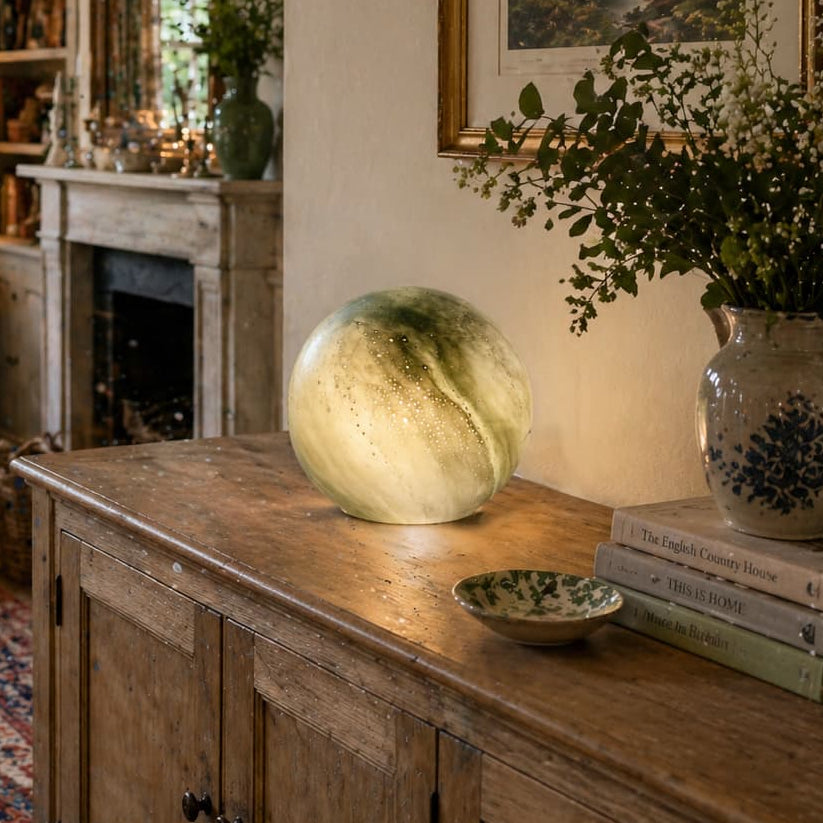
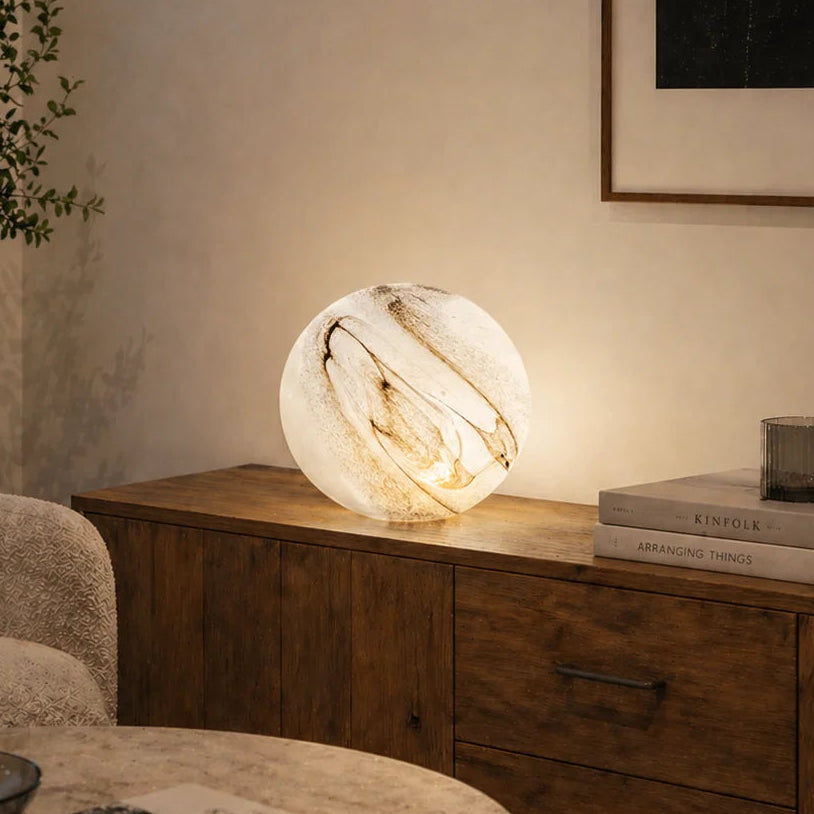
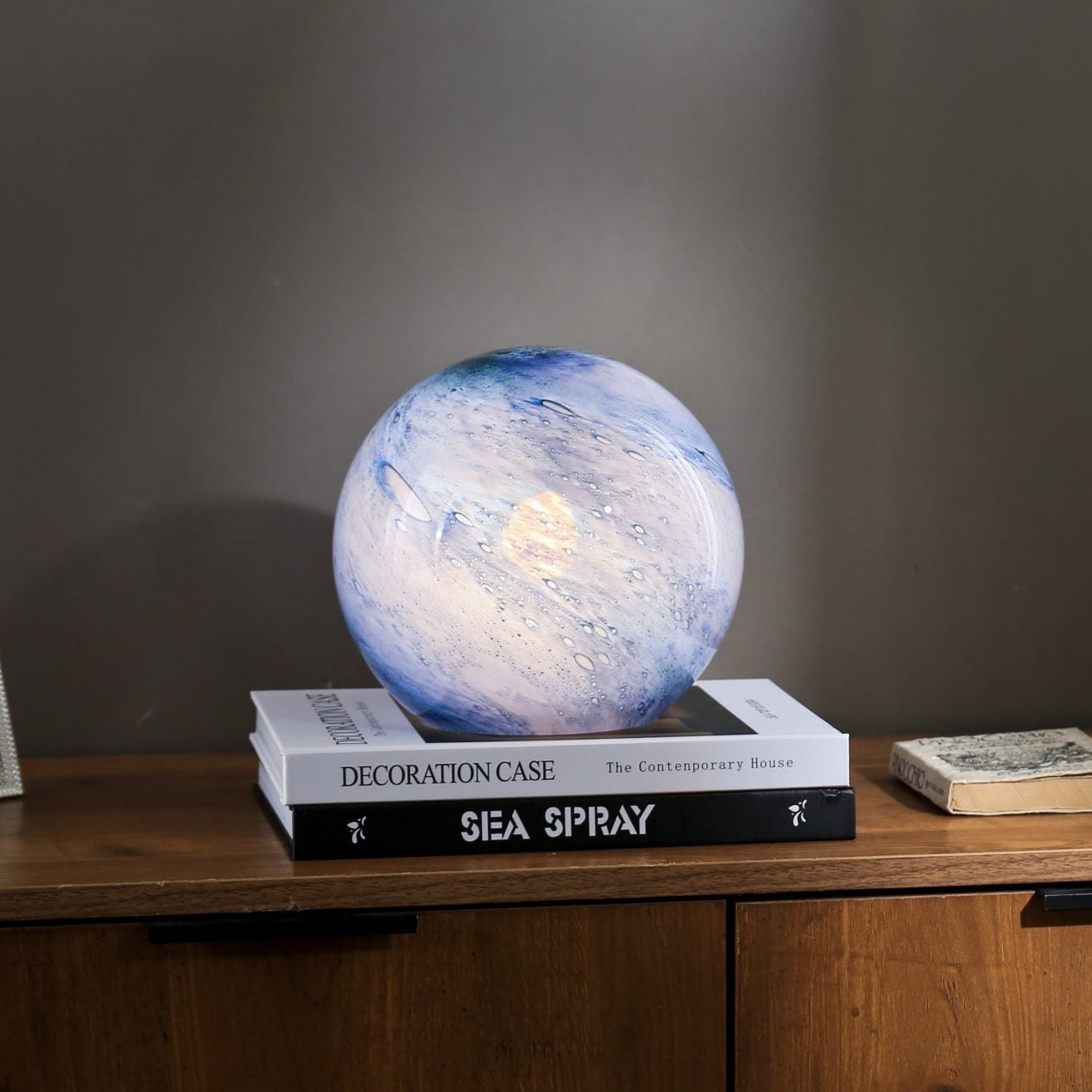
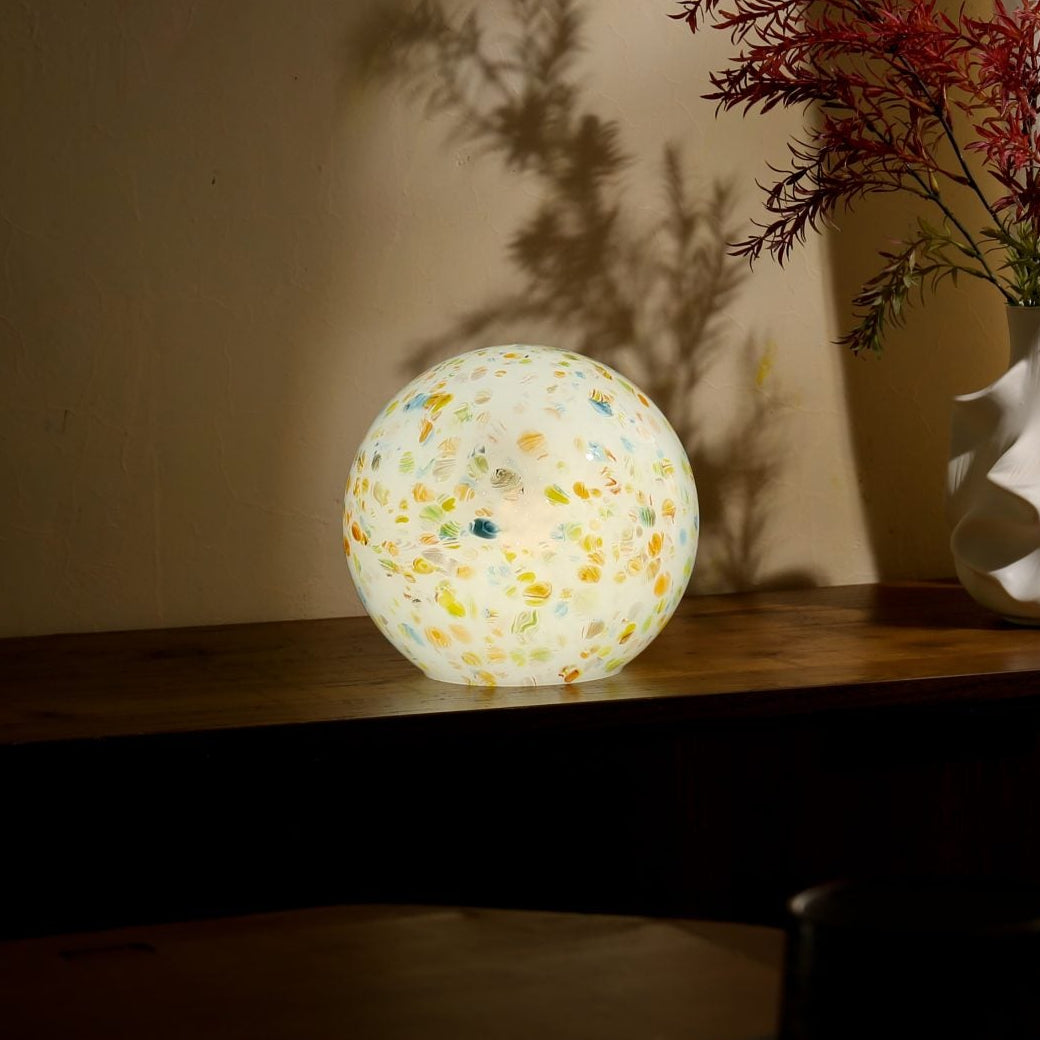
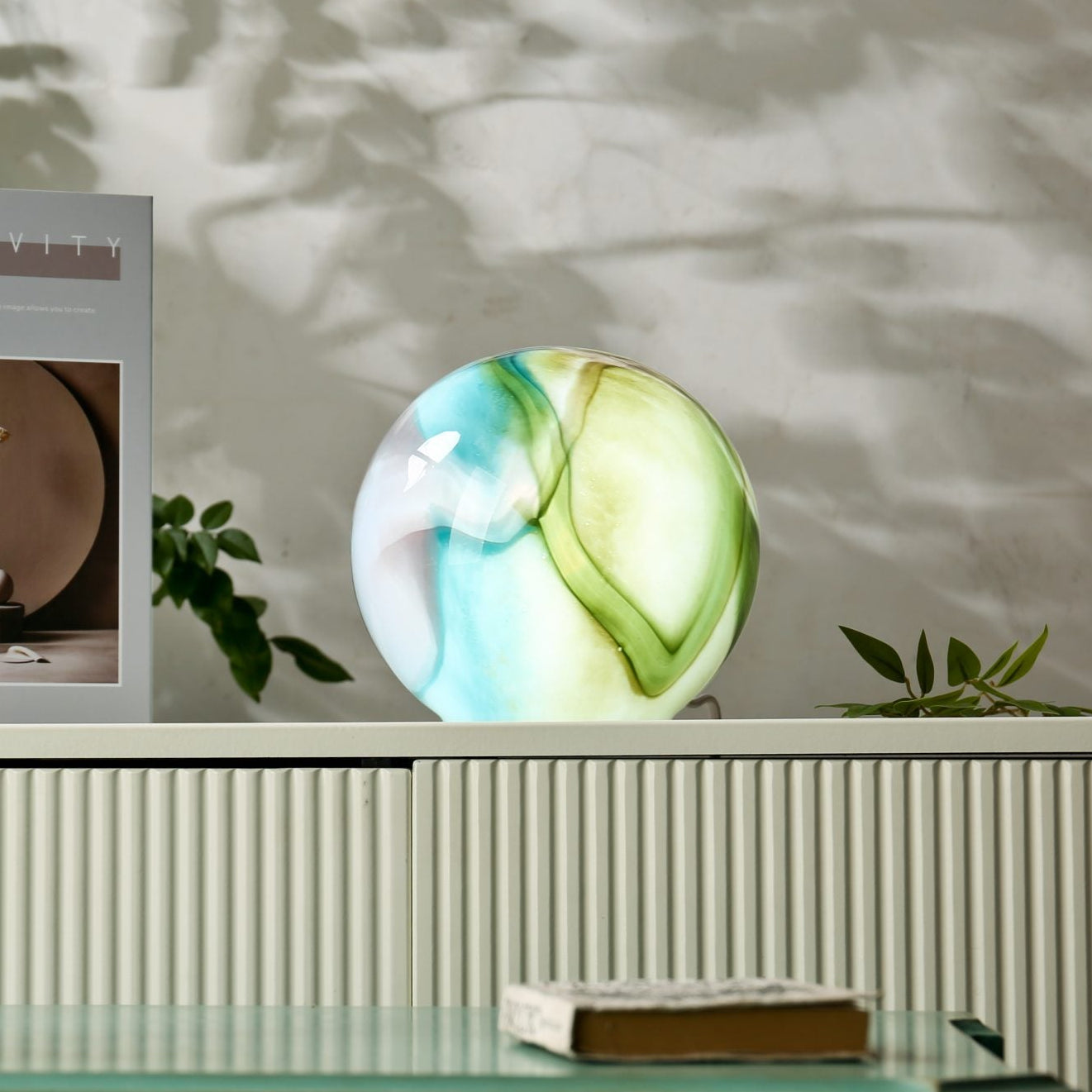
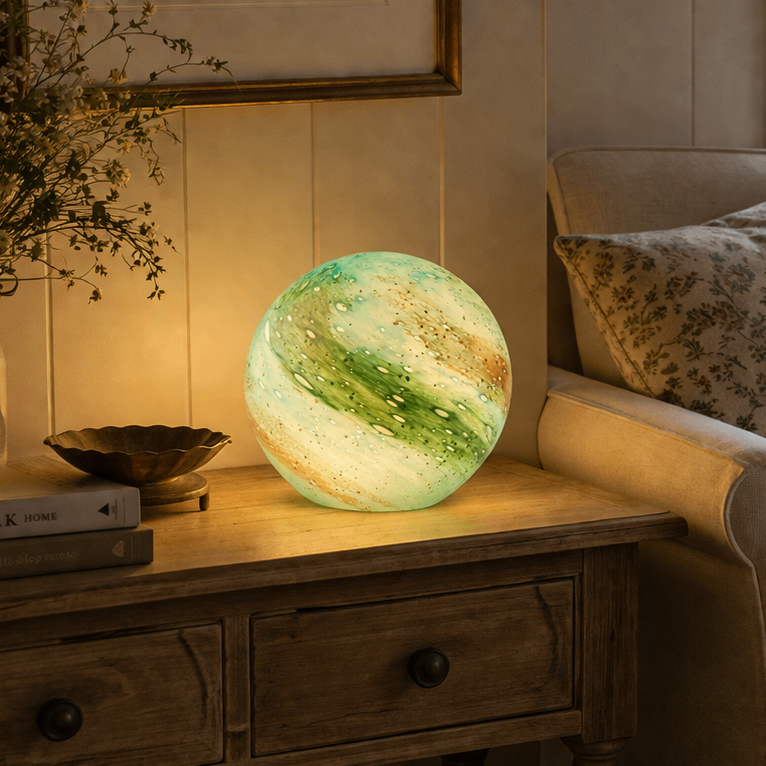
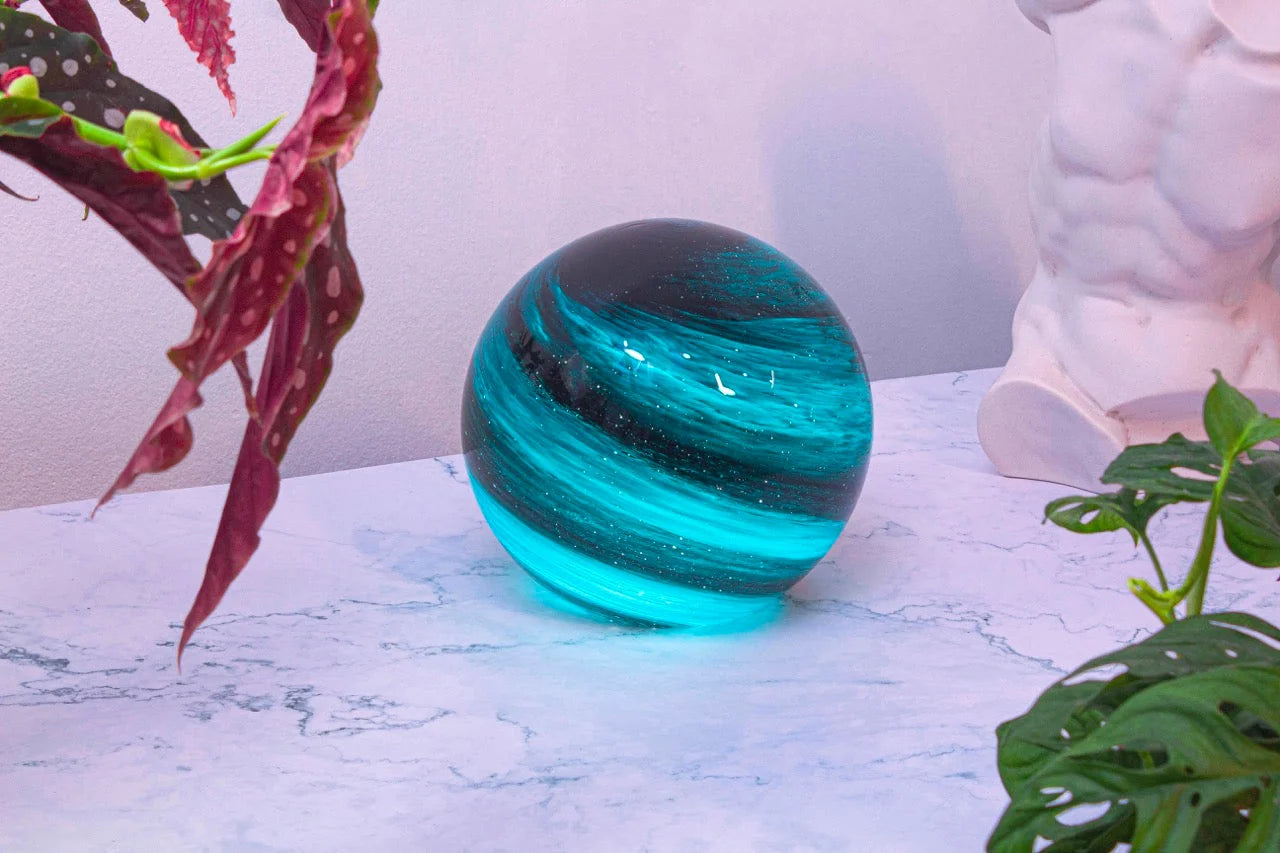
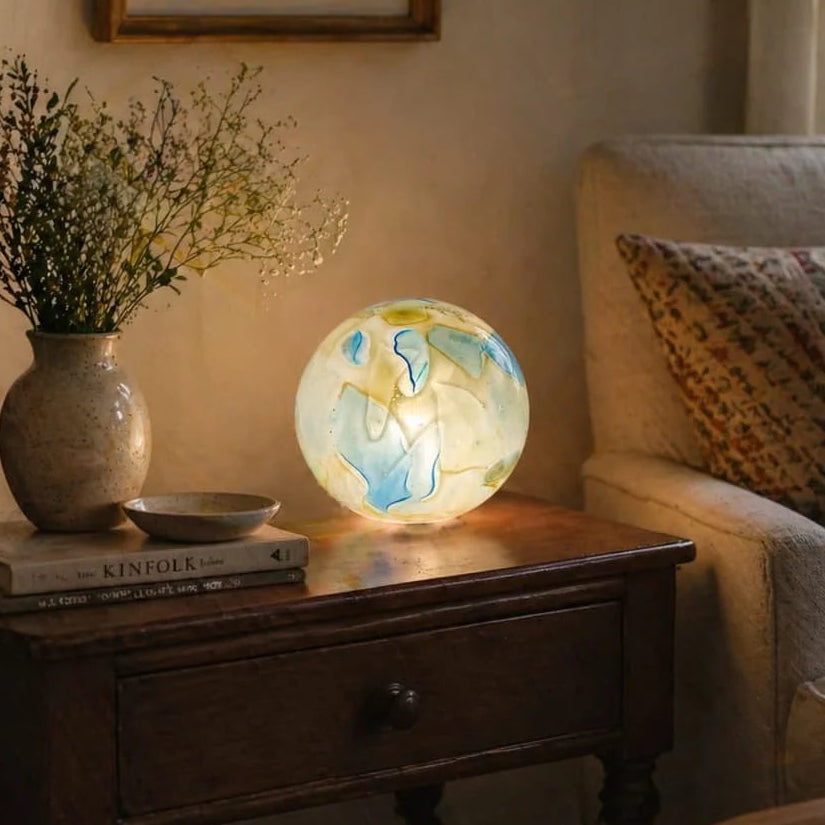
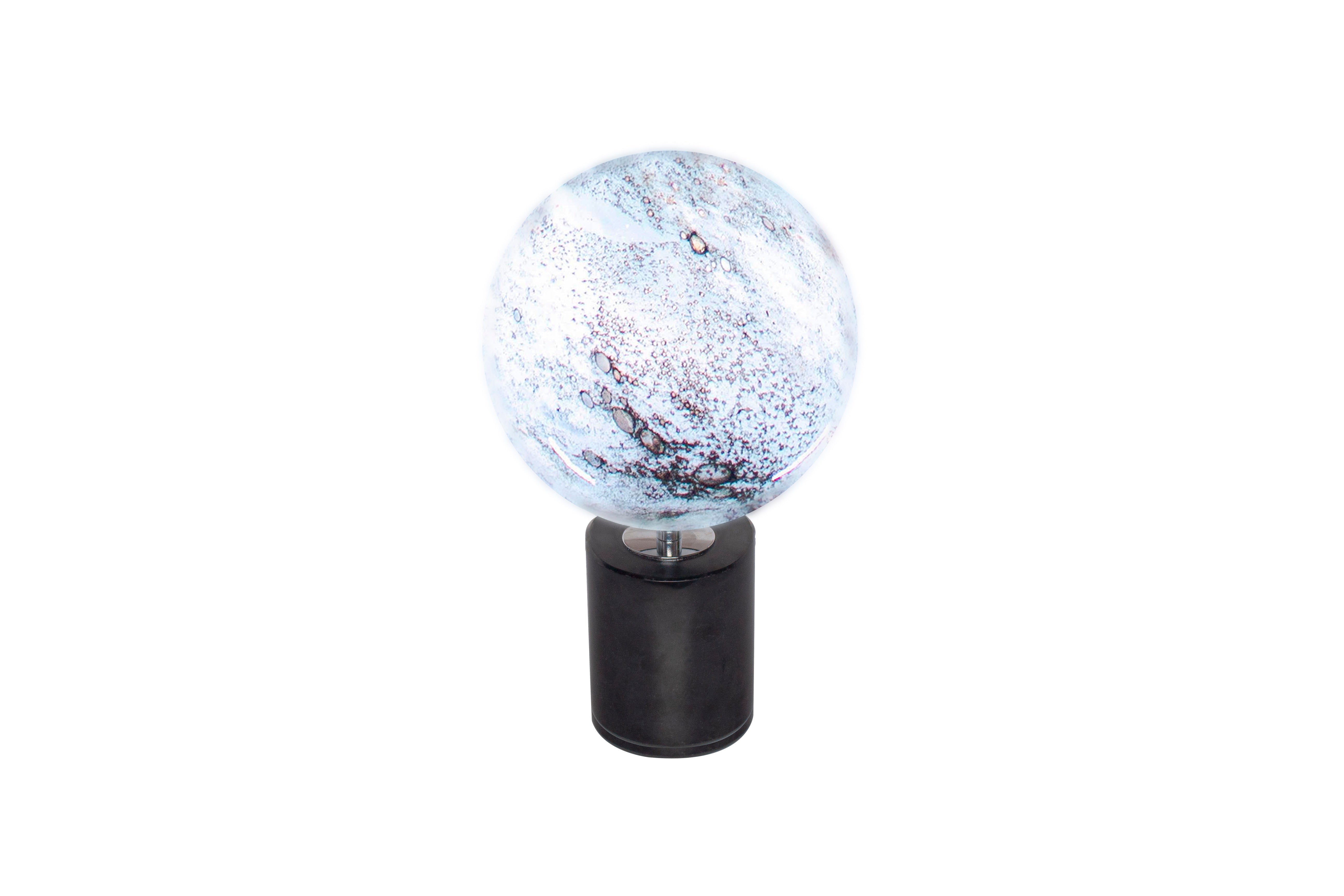
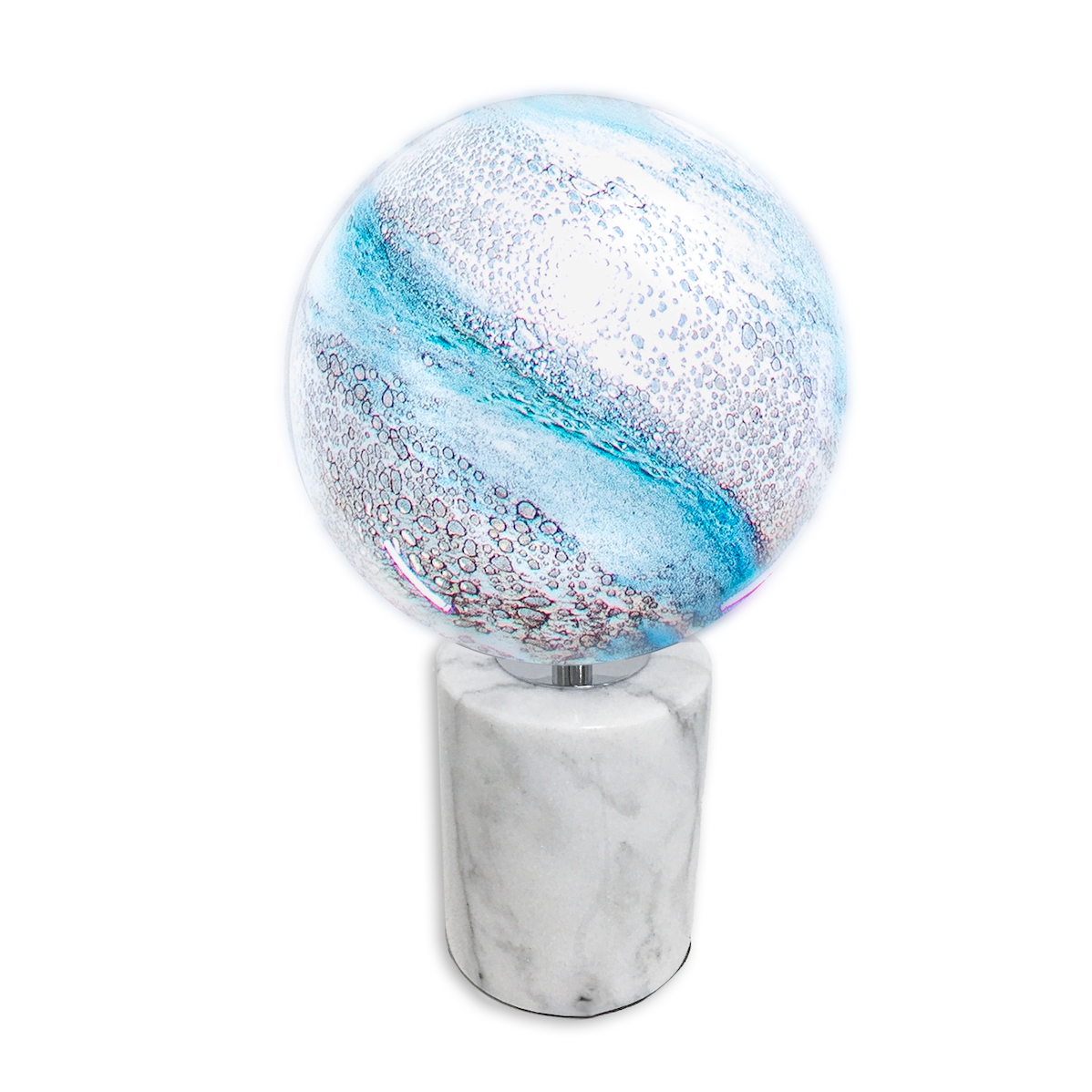
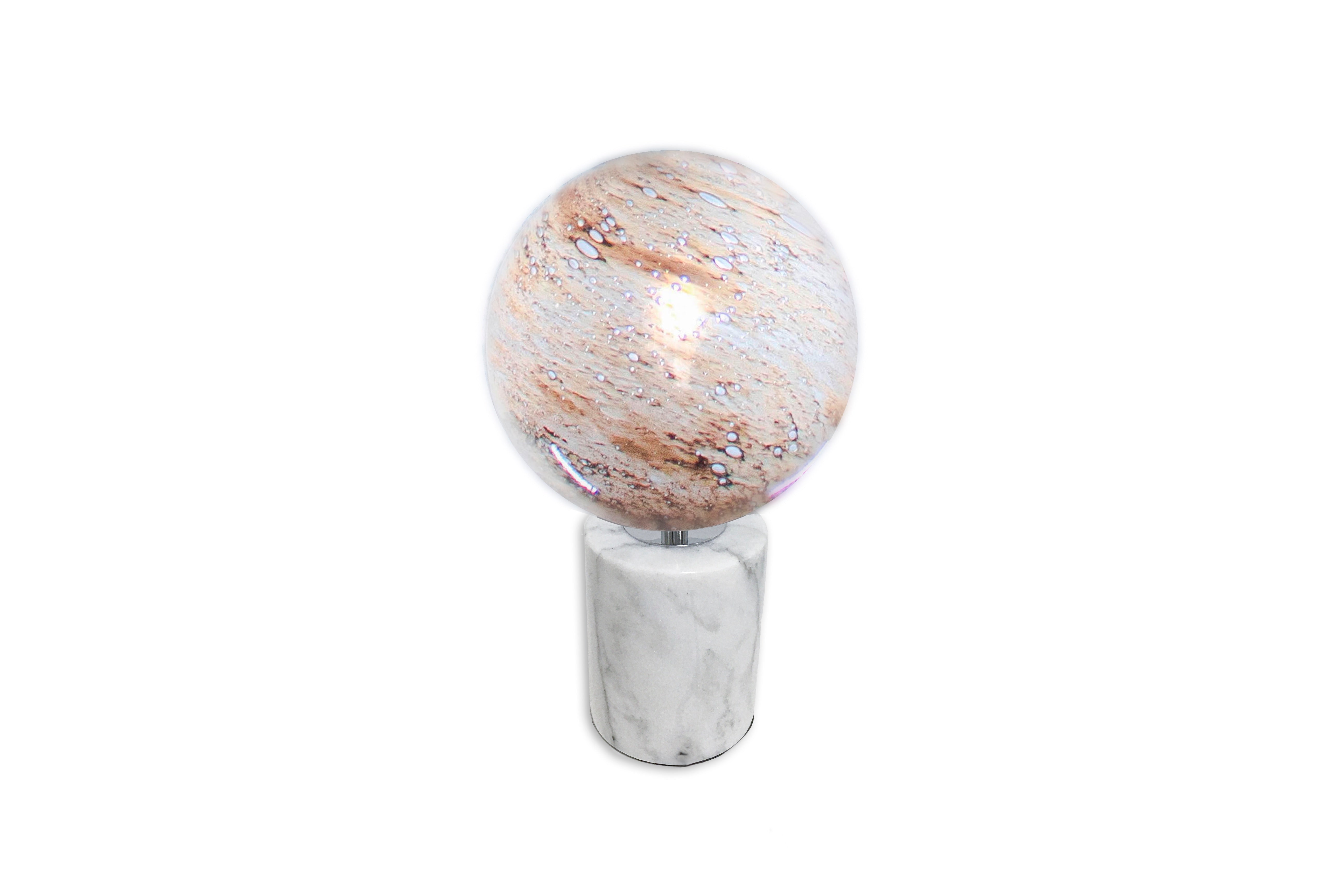
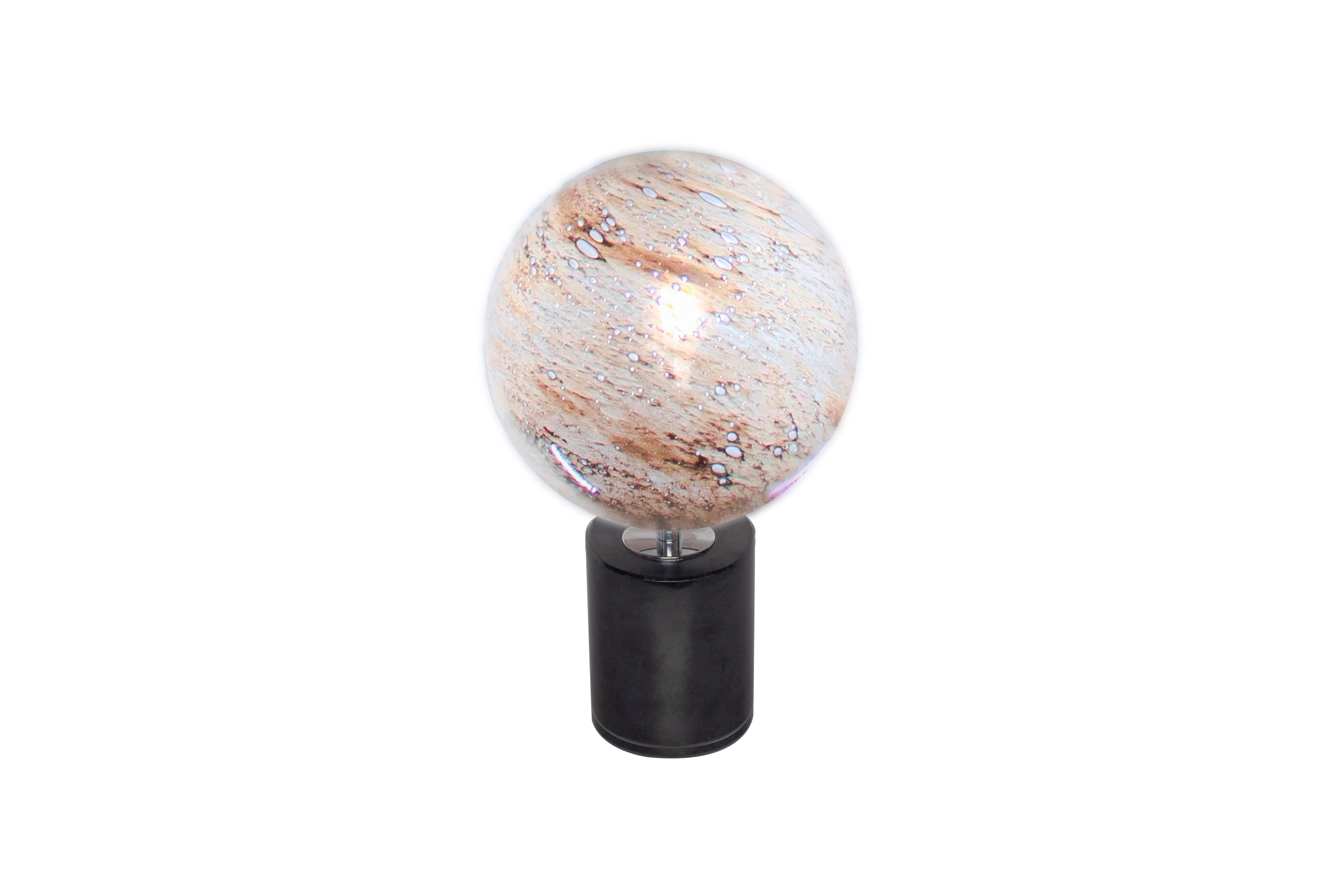
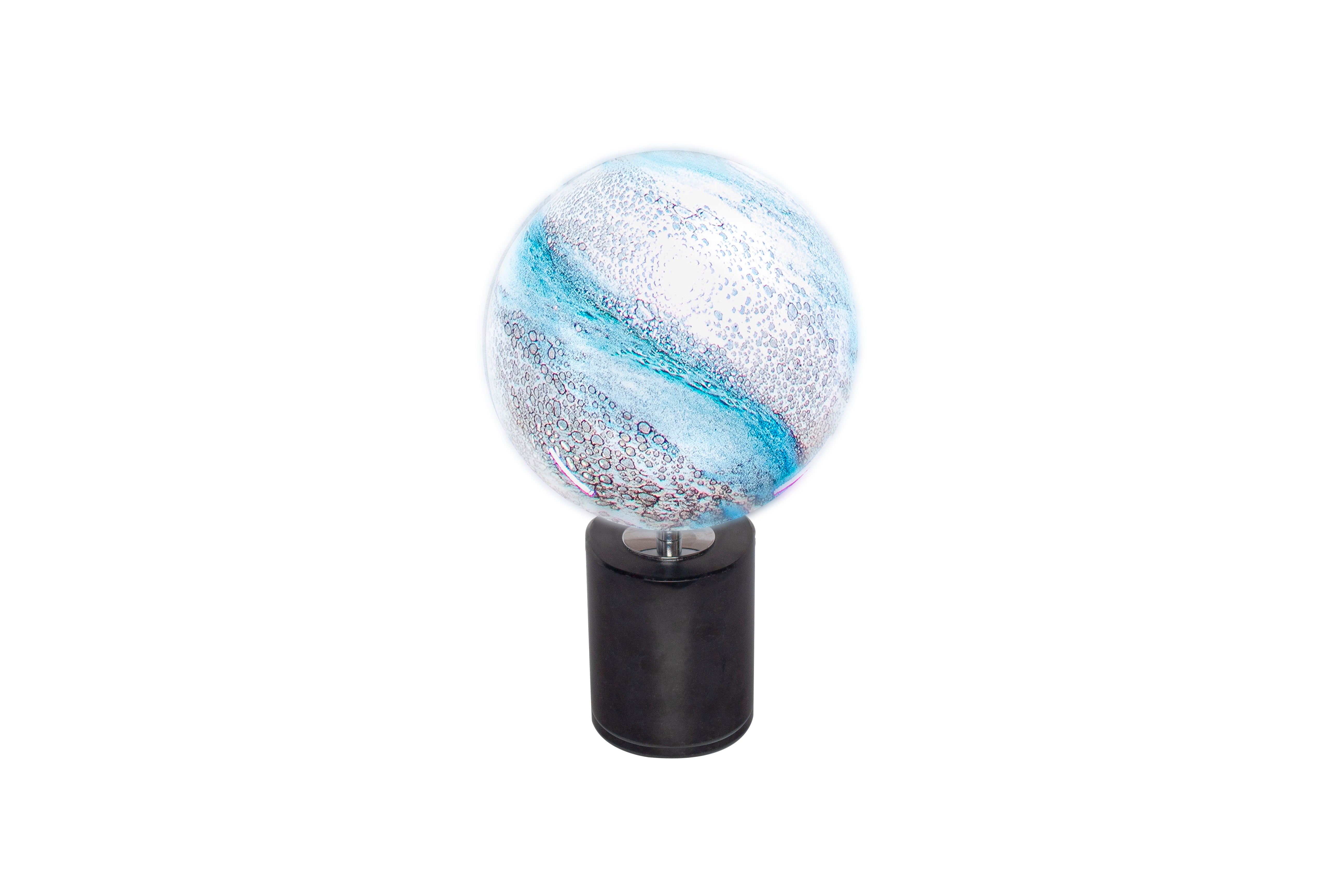
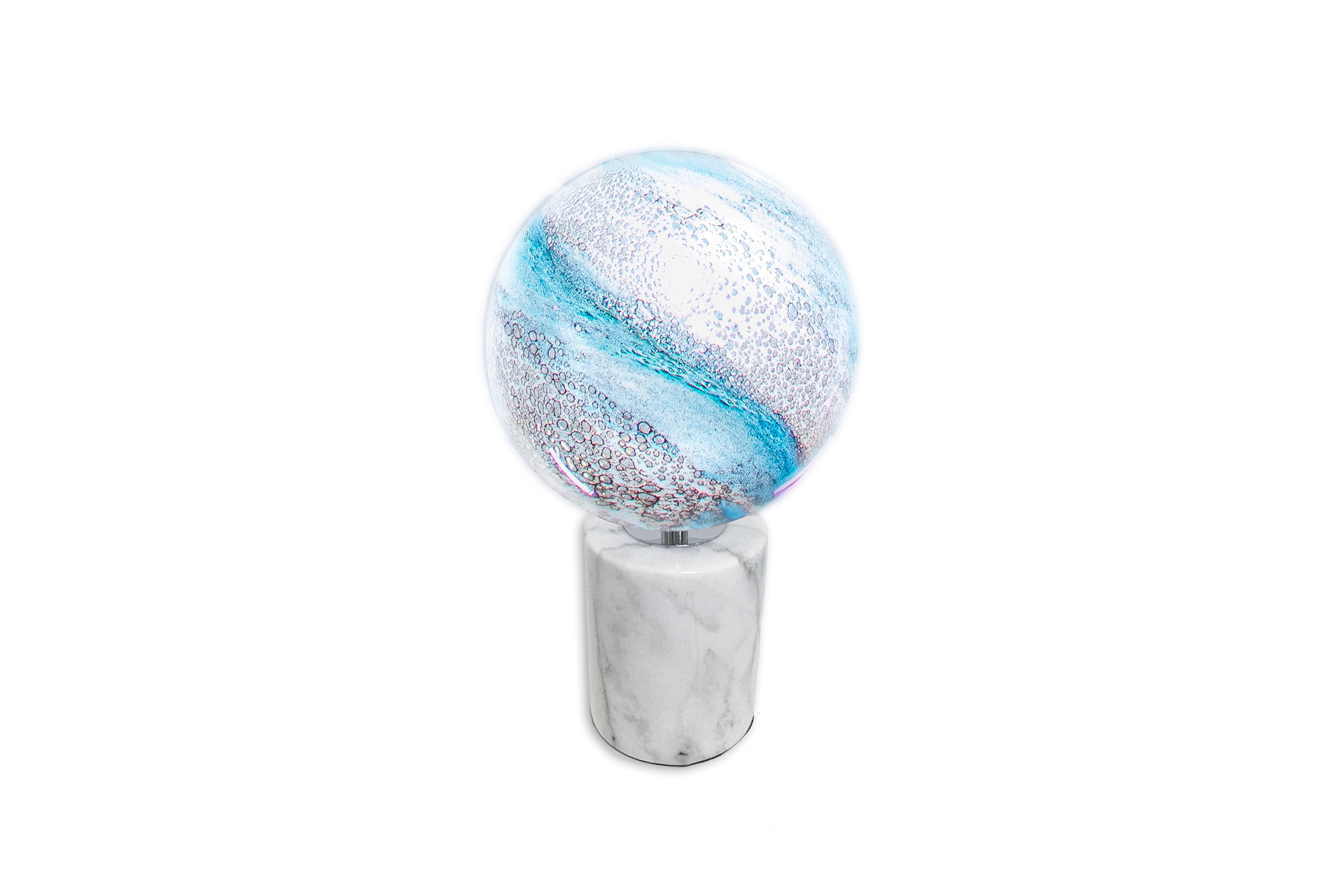
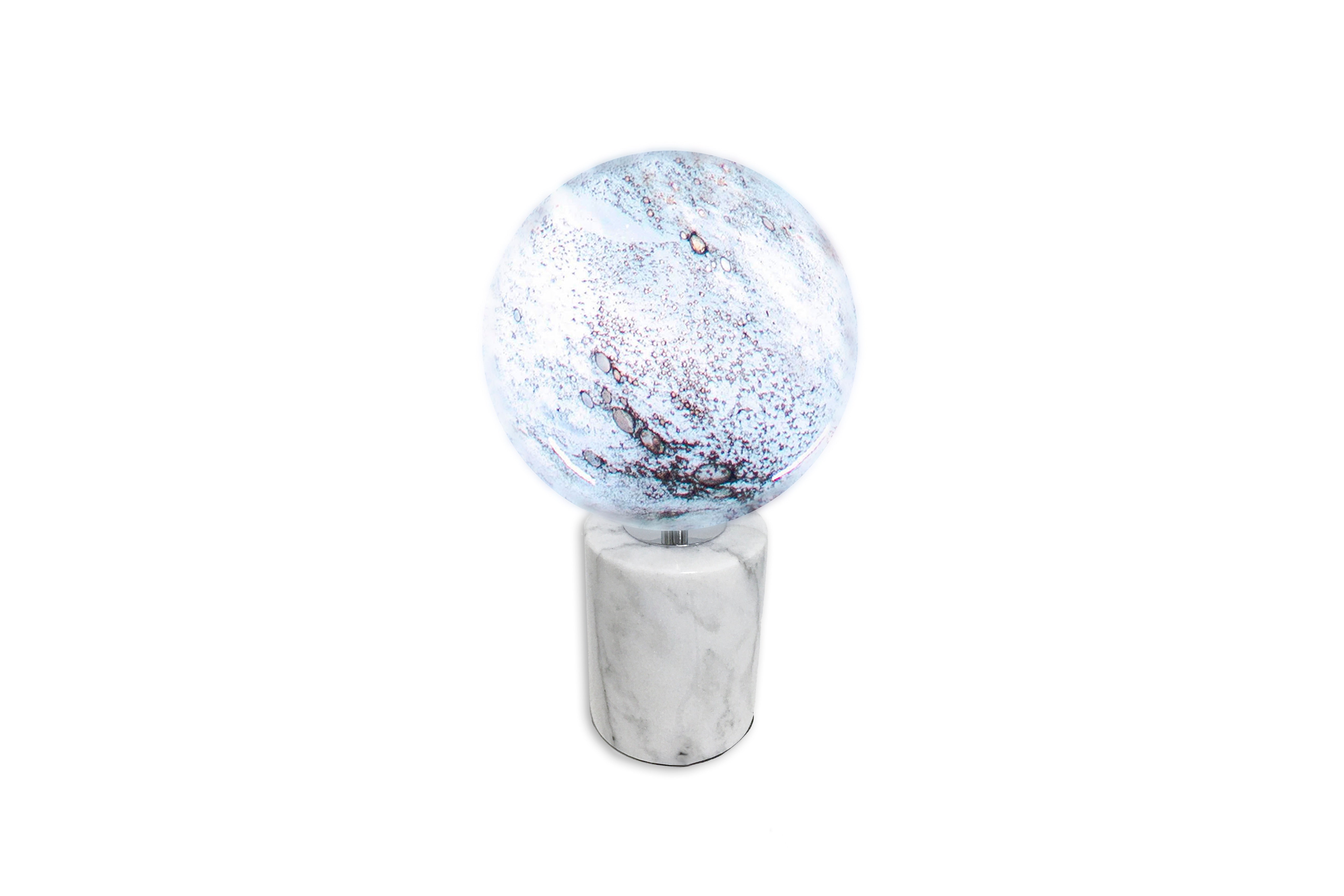
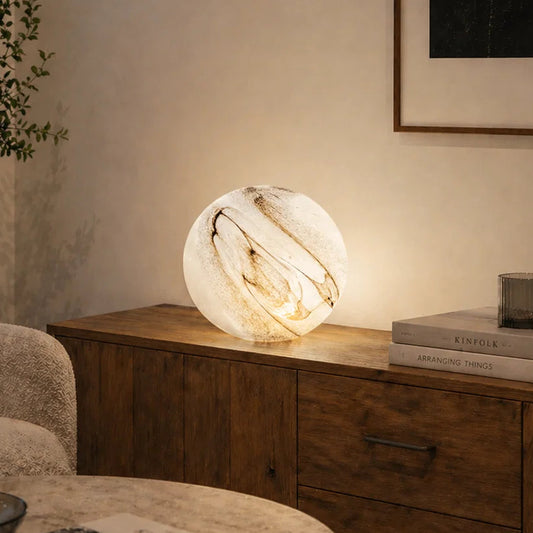
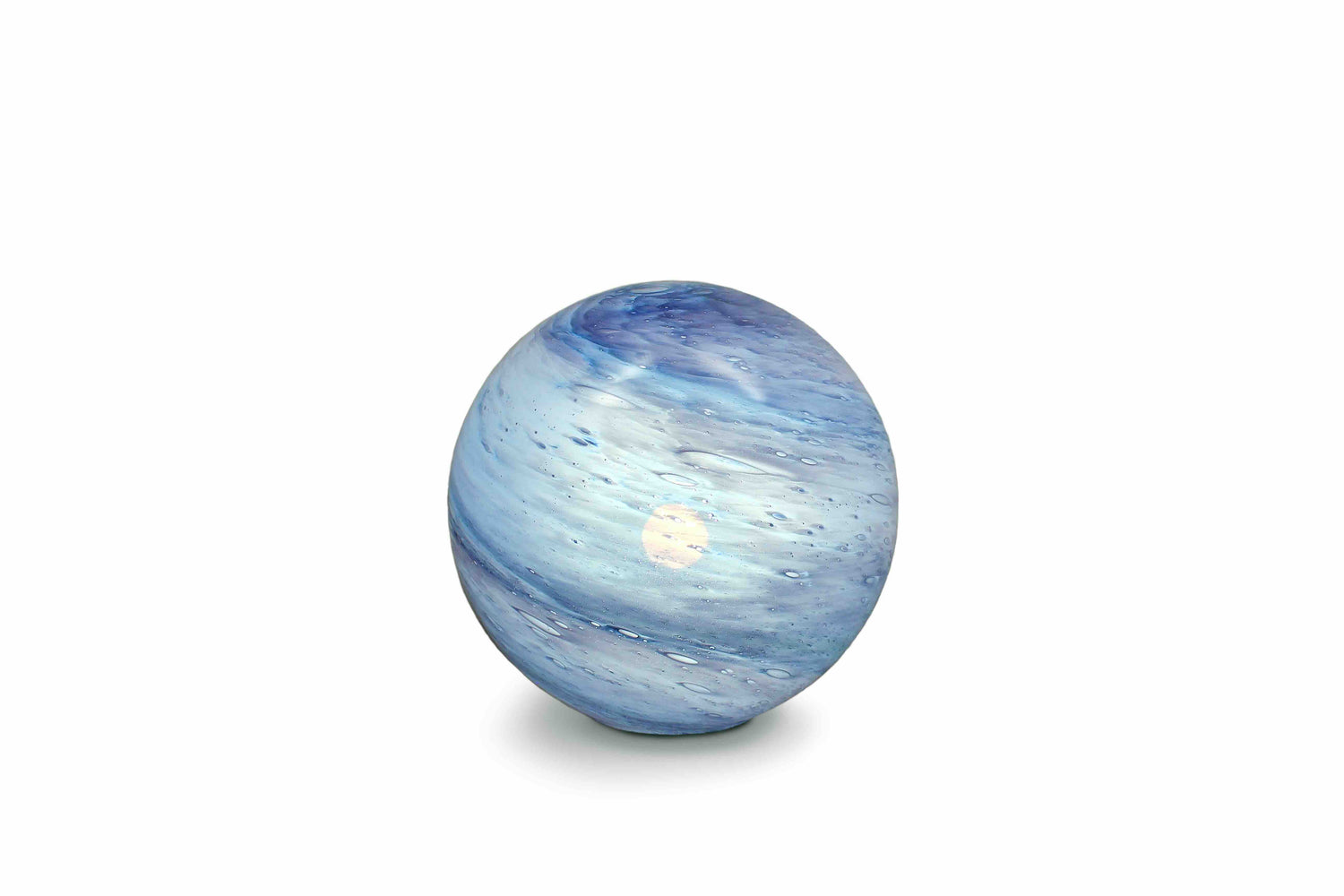
Colour Changing Glass Lamp with Remote | Handblown
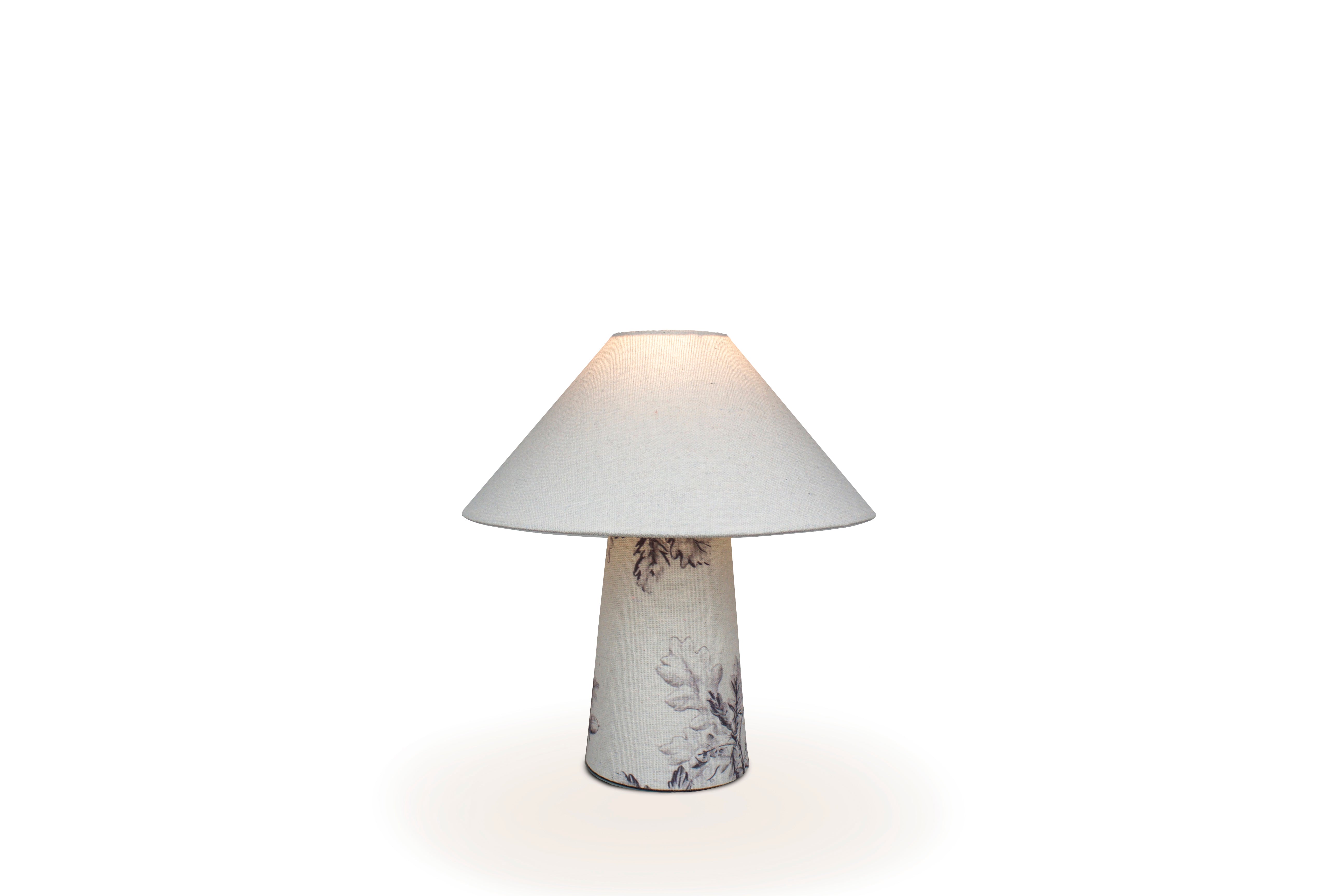
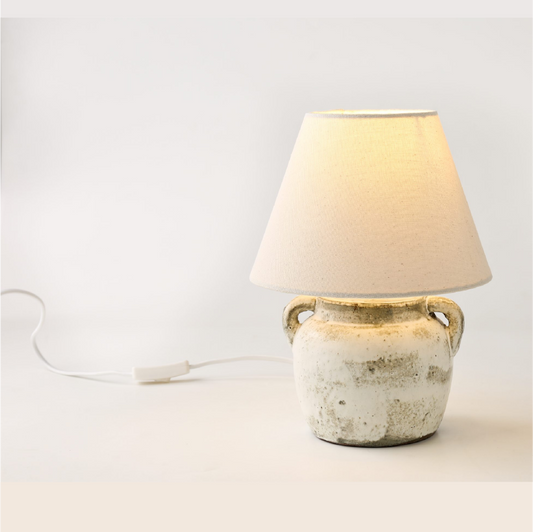
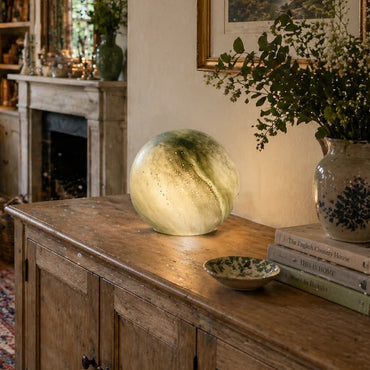
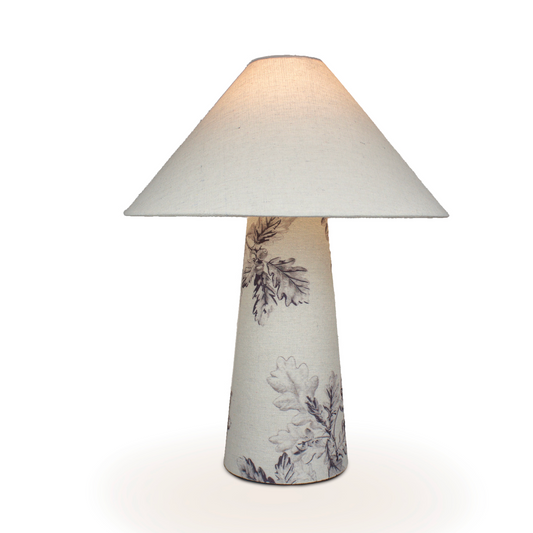
Demova Stone & Fabric Table Lamp
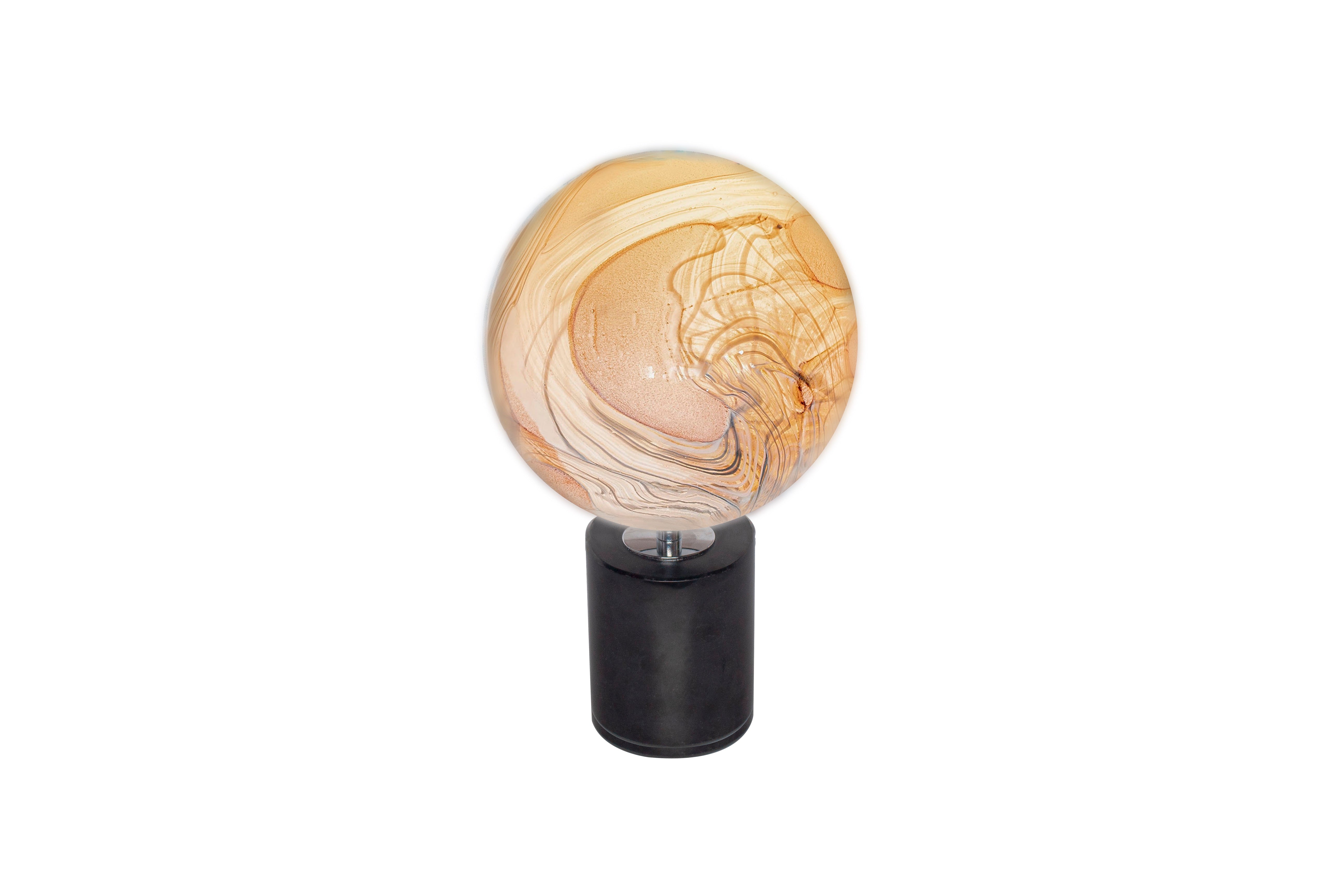
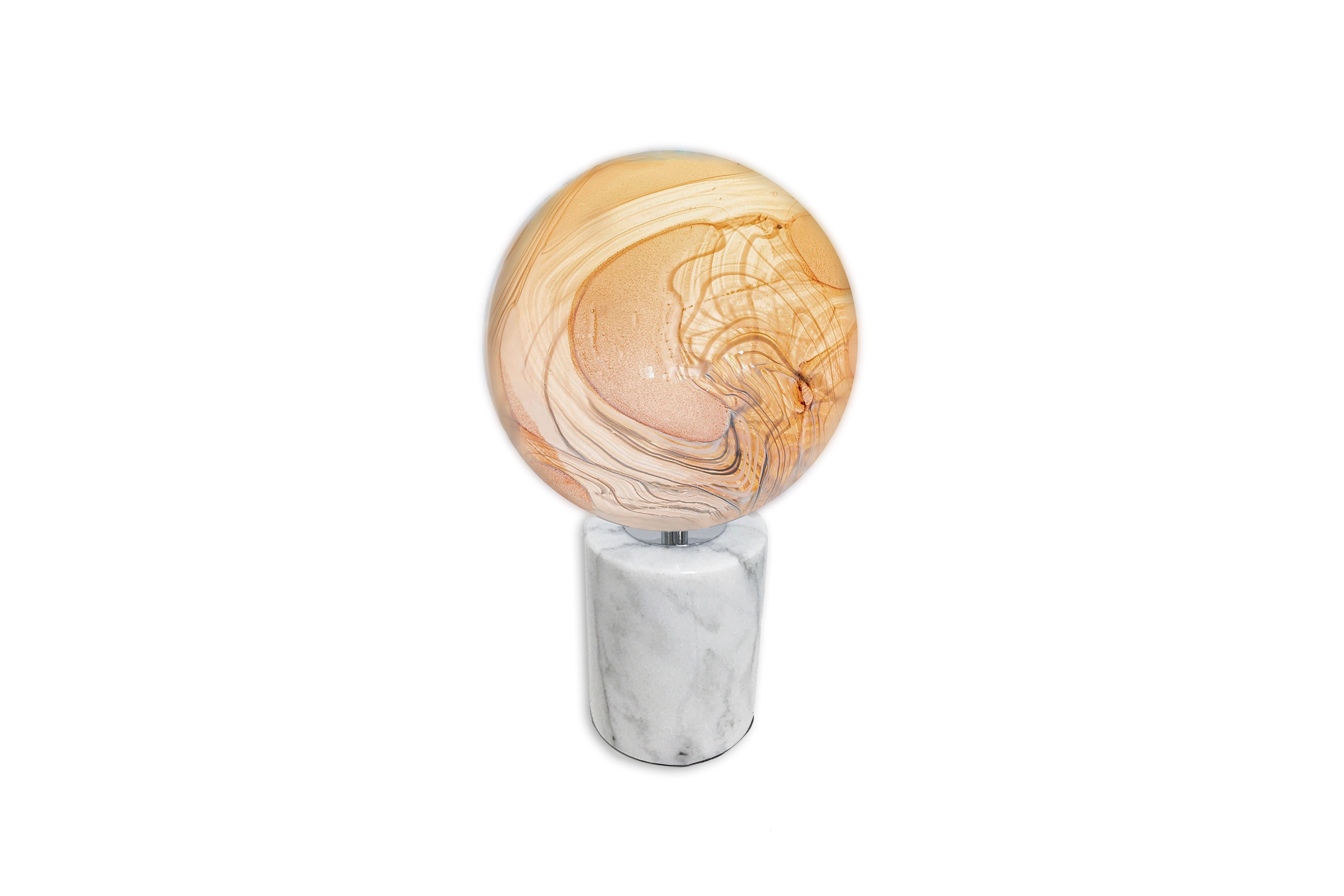
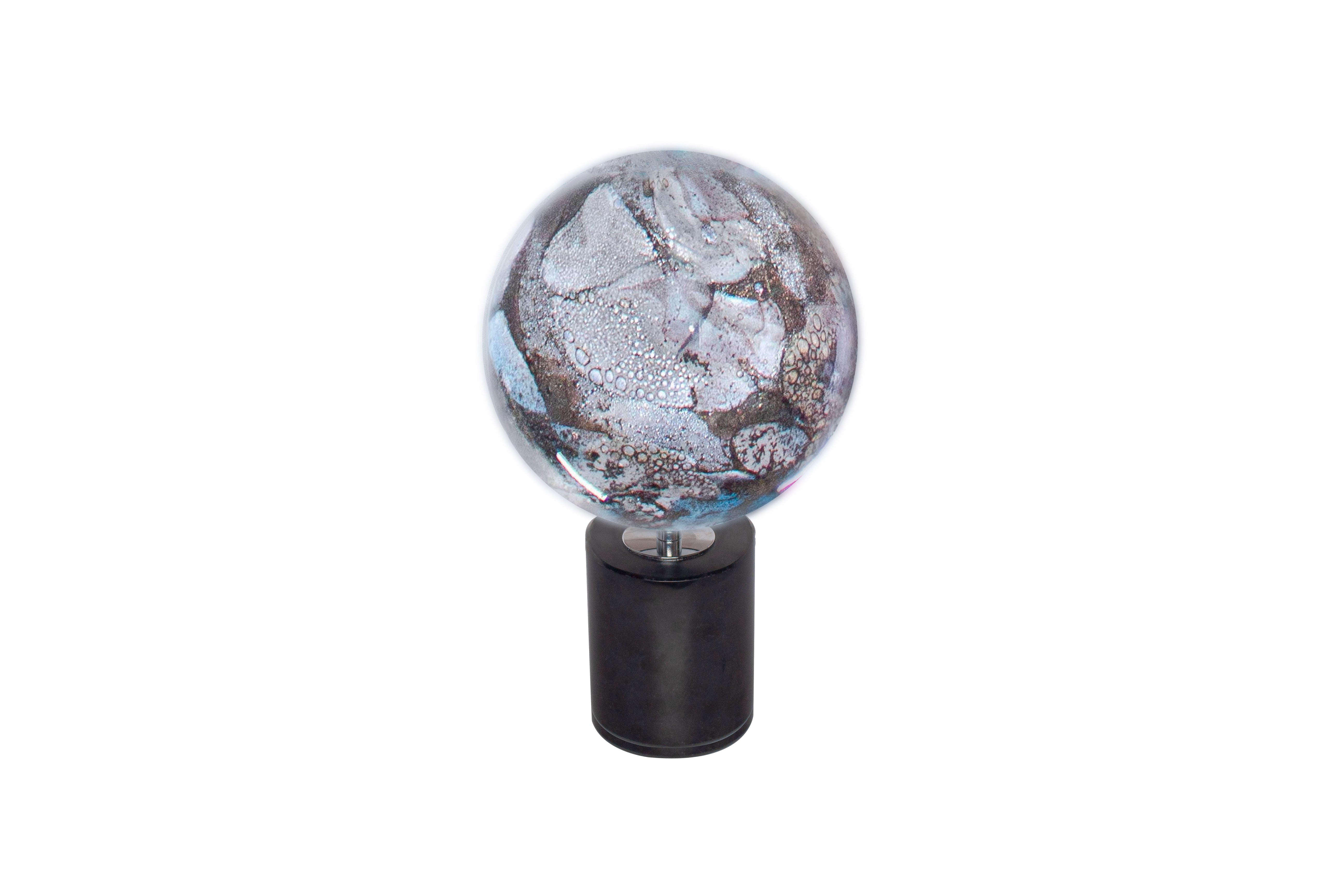
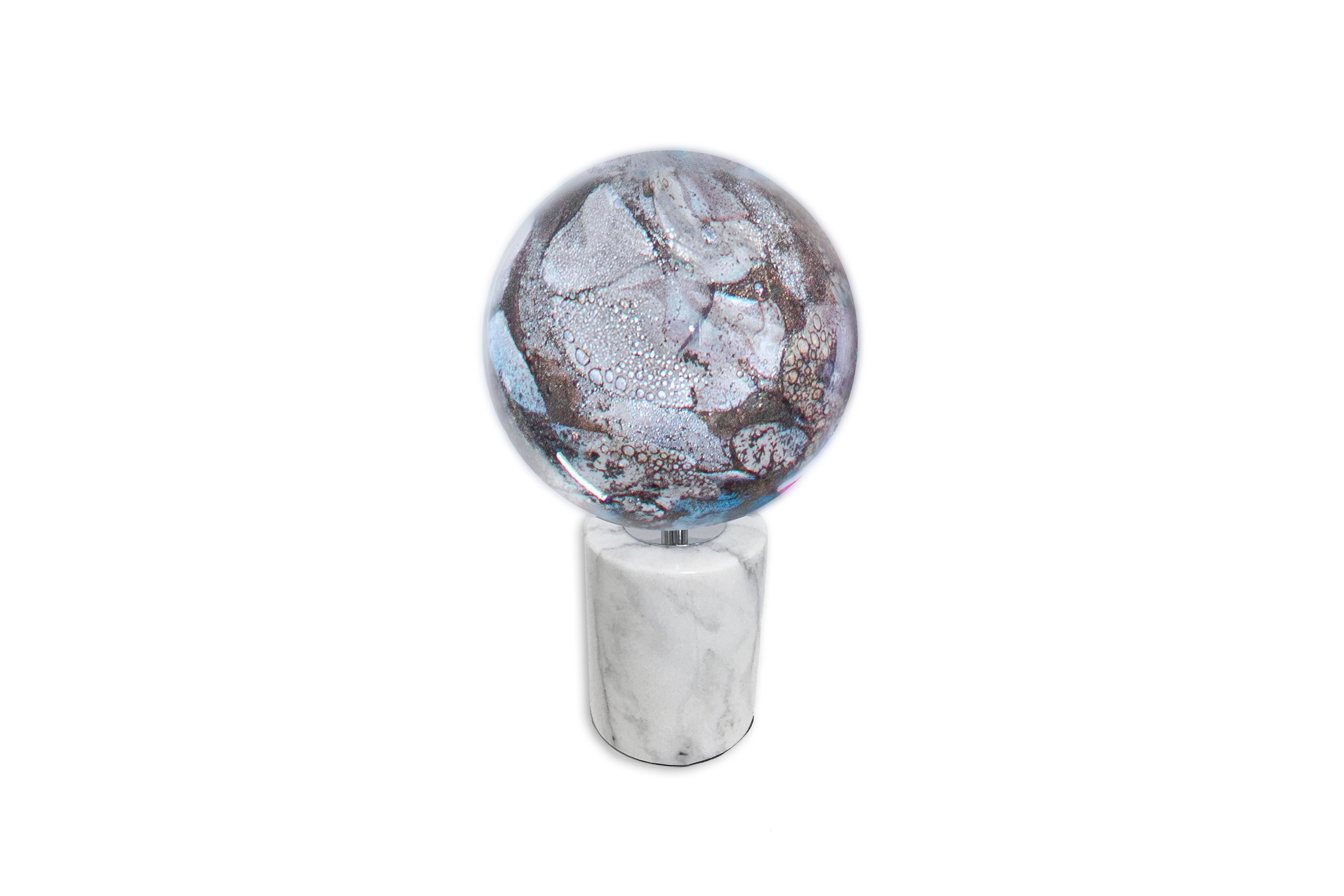
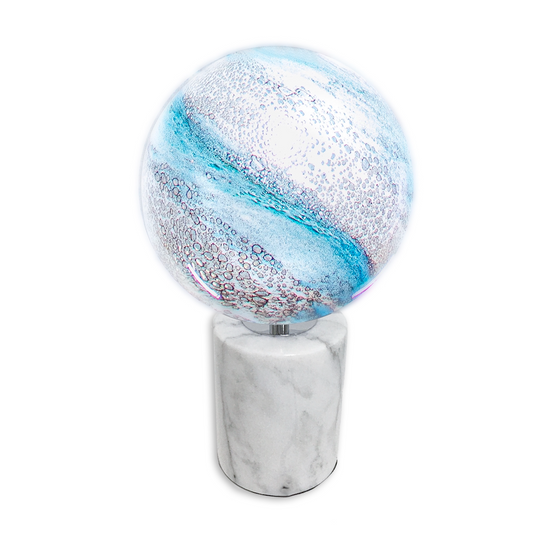
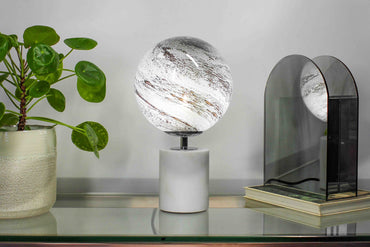
Handblown Glass Lamp with Marble Base
Couldn't load pickup availability
Most of us think carefully about what we eat and drink. We check ingredients, avoid additives, choose quality over convenience.
But we rarely think about what our homes are made from.
The lamp on your bedside table. The pan you cook with every morning. The sheets you sleep in for a third of your life. These materials interact with your body every single day. Quietly, invisibly, continuously.
We started StoreCORE because we believe your home deserves the same scrutiny as your diet.
grams is the amount of plastic the average person ingests per week
microplastic particles shed with each use of a plastic chopping board
percent of Americans have PFAS (forever chemicals) in their blood
percent of 'BPA-free' plastic products contain other harmul chemicals
Found in: Lamp bases, shades, kitchenware, storage, bedding blends
Plastic is everywhere in the home because it's cheap to produce and easy to shape. But many plastics contain chemical additives - plasticisers, stabilisers, flame retardants - that can migrate into air, food, and water over time.
When plastic lamp shades heat up under a bulb, they can release low levels of VOCs (volatile organic compounds) into your indoor air. When plastic food containers are heated or scratched, they can leach into your food.
The swap: Glass, stone, ceramic, natural fabric
Found in: Lamp shades, bedding, soft furnishings, curtains
Polyester, nylon, and acrylic are plastic-based fabrics. They're durable and inexpensive but come with hidden costs:
The swap: Linen, organic cotton, wool, natural canvas
Found in: Cookware, bakeware, kitchen accessories
Non-stick coatings made with PTFE (commonly known as Teflon) release fumes when overheated - a well-documented phenomenon that can cause flu-like symptoms in humans and is lethal to pet birds. Older formulations containing PFOA have been phased out in many countries, but concerns about newer PFAS compounds remain active in scientific literature.
The swap: Pure copper, cast iron, uncoated stainless steel, ceramic
Found in: Flat-pack furniture, shelving, cabinet interiors
Particleboard and MDF are made from wood fibers bonded with adhesive resins - commonly urea-formaldehyde. Formaldehyde is a known irritant and classified carcinogen that off-gasses slowly from furniture, particularly when new.
The swap: Solid wood, rattan, natural materials with water-based finishes
Found in: Most mass-produced candles
Paraffin is a petroleum byproduct. When burned, it releases soot and trace amounts of chemicals including benzene and toluene into your indoor air. Synthetic fragrance oils added to most candles compound this further.
The swap: Beeswax, soy wax, coconut wax with natural essential oils


Non-porous and chemically inert. Doesn't absorb odors, bacteria, or chemicals. Doesn't leach when heated. Fully recyclable. Gets more beautiful over time.
Found in our store: Glass lamps, Glass storage
Formed without chemical processing. Chemically stable, doesn't off-gas, naturally cool to the touch. Every piece is unique - variation is a feature, not a flaw.
Found in our store: Stone table lamps
Natural clay fired at high temperatures. Food-safe, non-porous, free from synthetic coatings. Artisan-crafted pieces carry the marks of human hands - intentional imperfection.
Found in our store: Porcelain lamps
Naturally antimicrobial - one of the few metals that actively kills bacteria on contact. No coatings, no synthetic treatments. Develops a natural patina over time. Heirloom quality that lasts generations.
Found in our store: Coming soon - copper cookware, mugs, water bottles
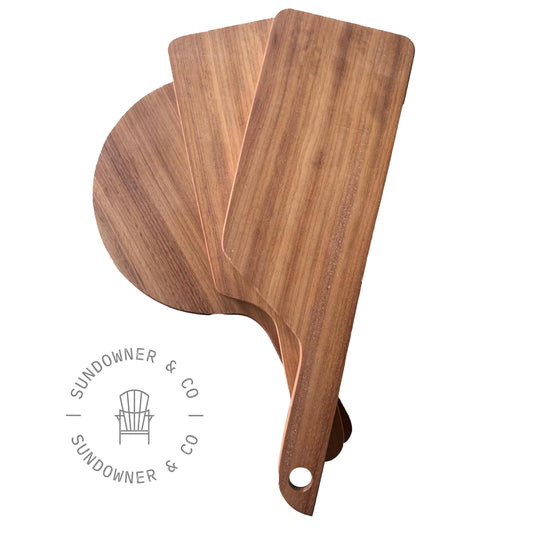
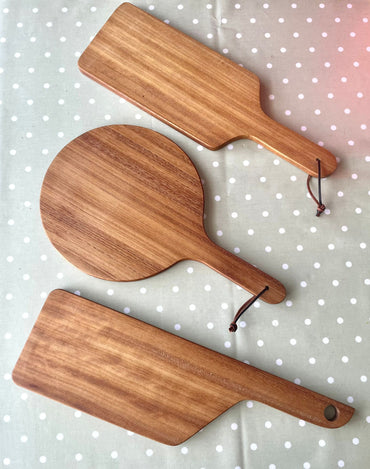
Solid hardwood is naturally antimicrobial and biodegradable. Look for pieces made without synthetic glues or toxic finishes - just natural wood treated with food-safe mineral oil or beeswax.
Found in our store: Coming soon - wooden cutting boards, kitchen tools
Does it heat up? Does it get wet? Does it contact food or skin? What does it release under those conditions?
Cheap materials get replaced more often - more manufacturing, more waste, more exposure to new off-gassing products.
Look beyond brand names and marketing. What is the base material?
We don't believe in frightening people into buying things.
The reality is that your home is already full of synthetic materials - most of them completely harmless in normal use. This isn't about throwing everything out and starting again.
It's about making better choices, one swap at a time. Starting with the products you use most, the rooms you spend most time in, the materials closest to your body.
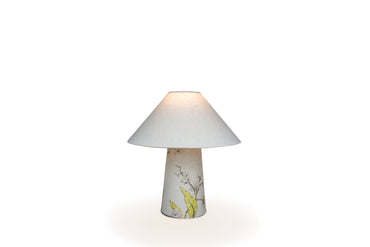
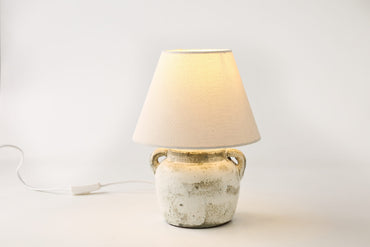
Small, considered changes. Better materials. A home that quietly supports your health rather than quietly compromising it.
7 items
10 items
2 items
4 items
6 items
If you've just watched the microplastics documentary 'The Plastic Detox' making waves on Netflix, you're probably fee...
If you've visited before, you'll notice everything looks different. New design, cleaner navigation, expanded product ...
You spend 6-8 hours every night within arm's reach of your bedside lamp. It's probably the last thing you see before ...