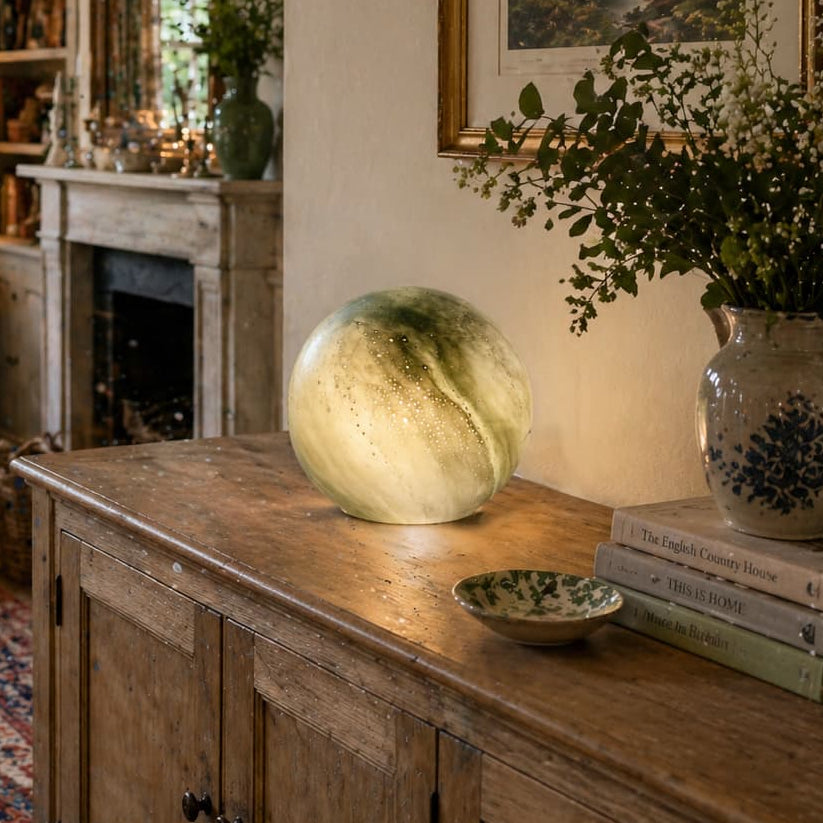
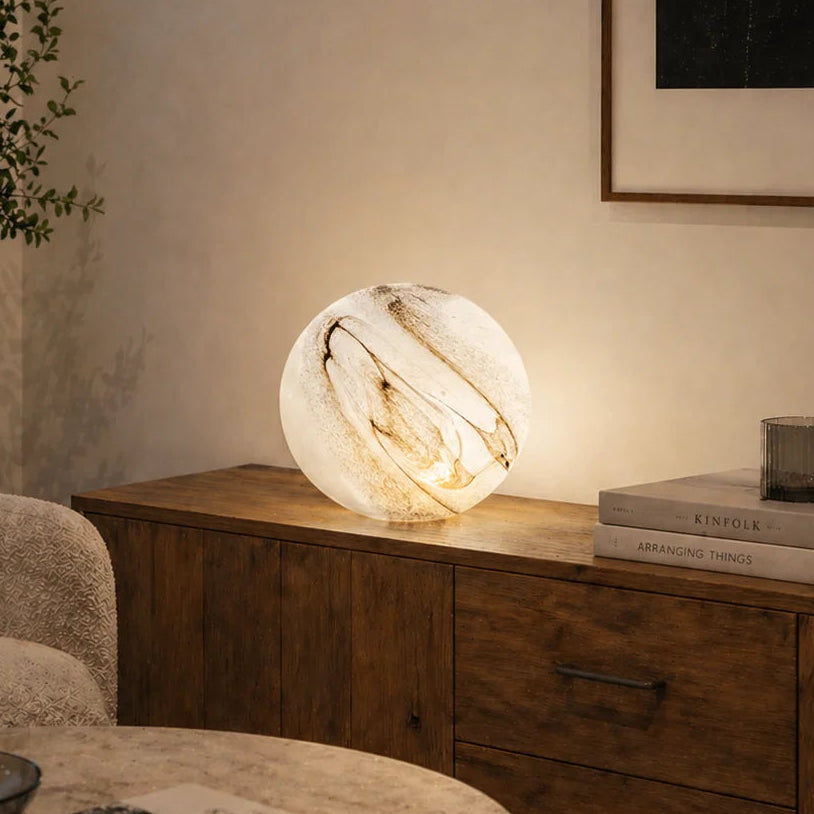
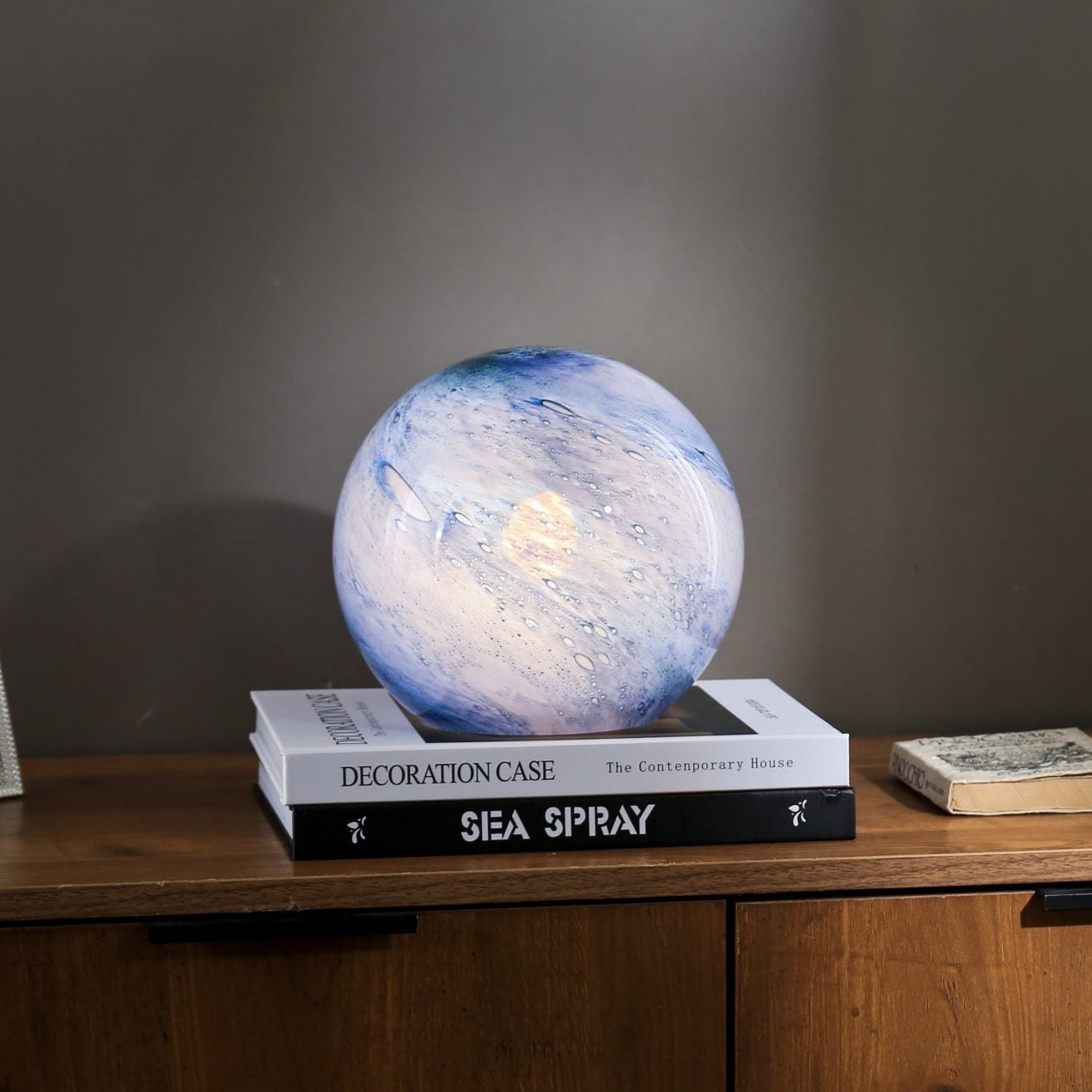
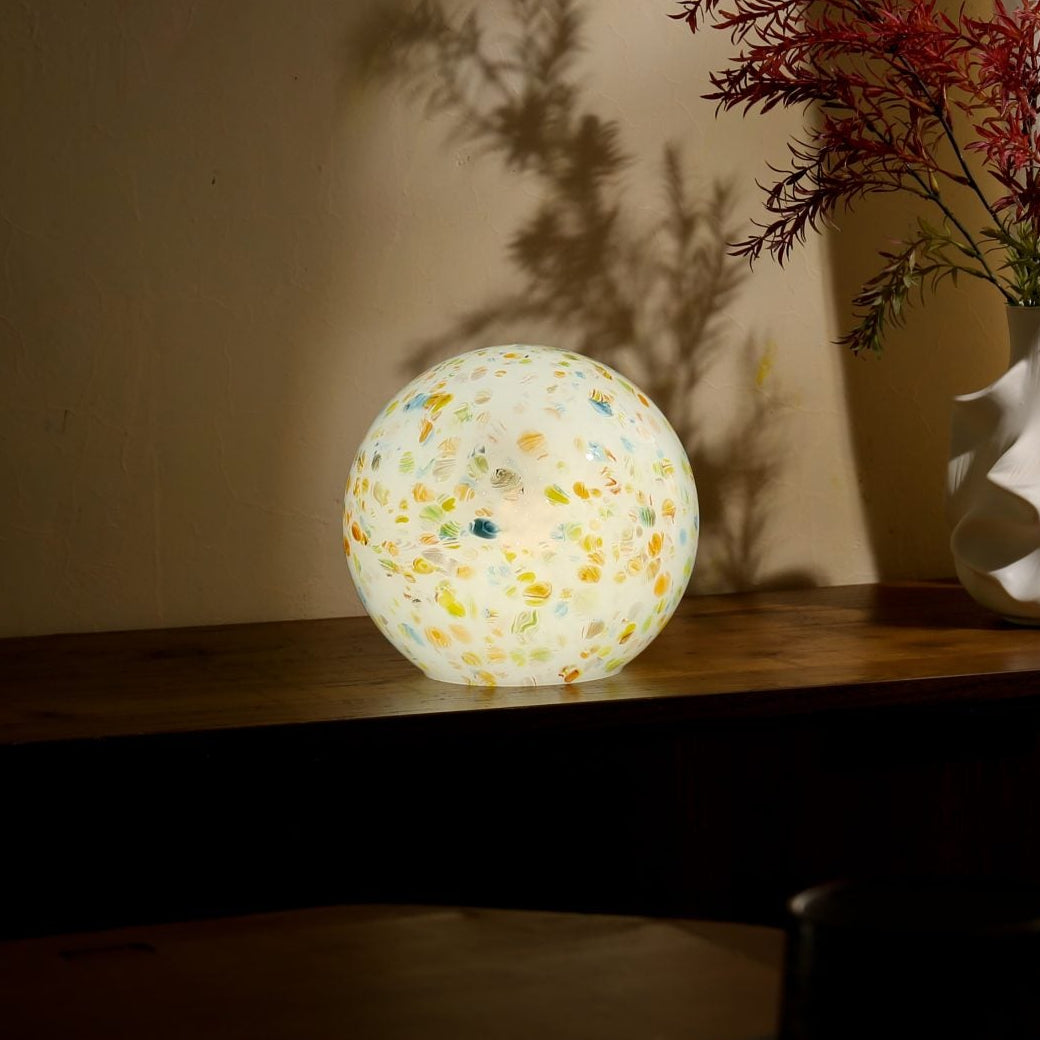
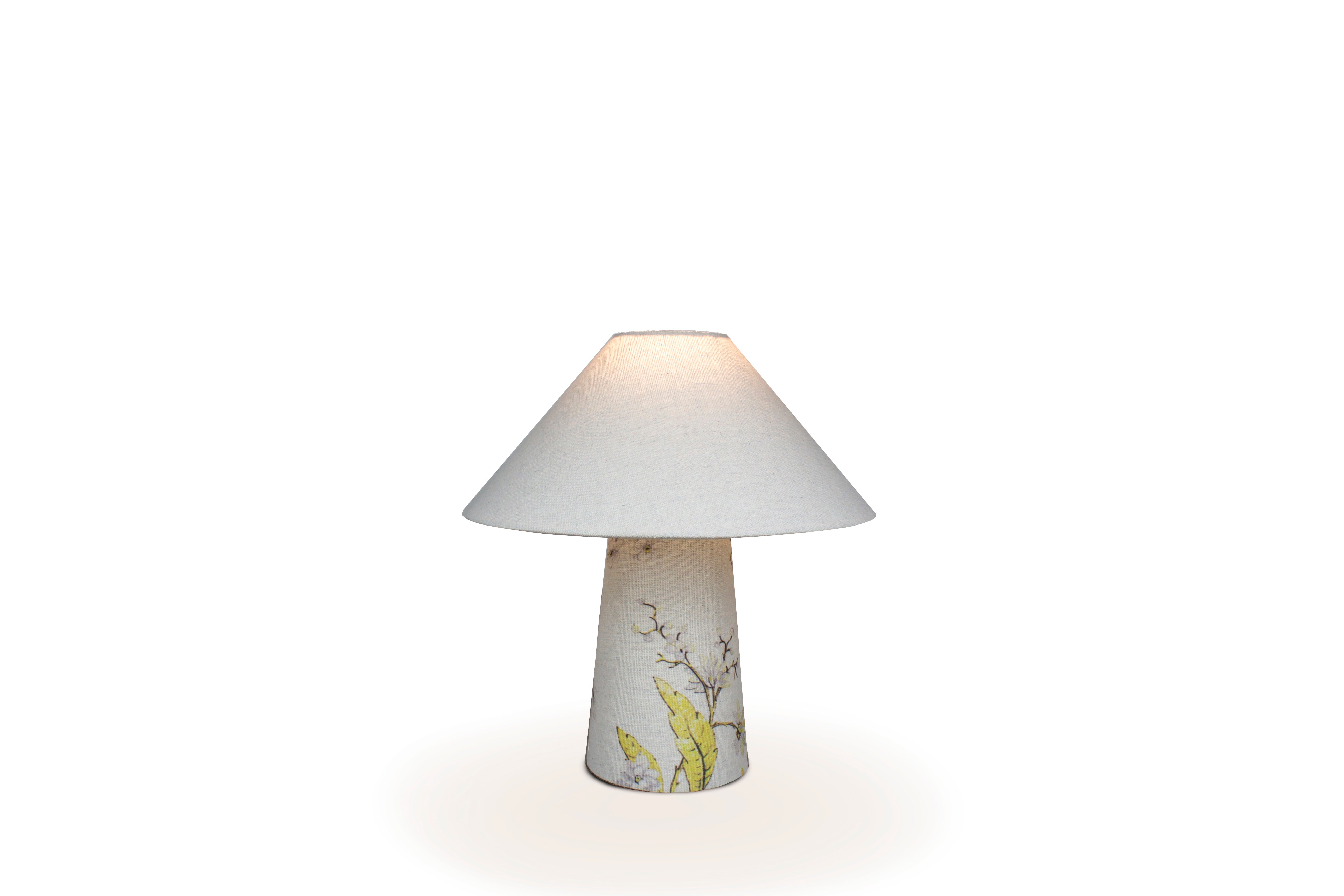
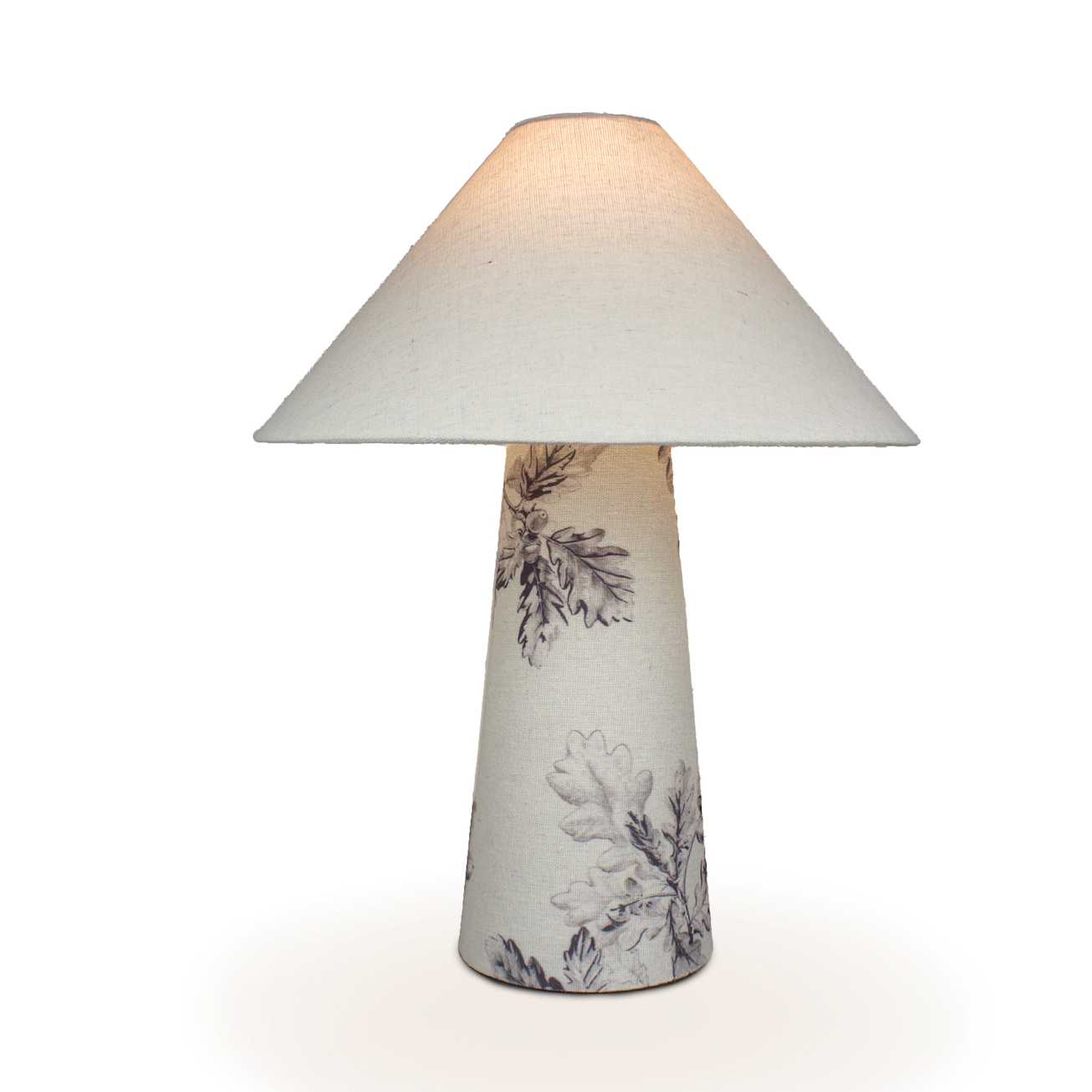
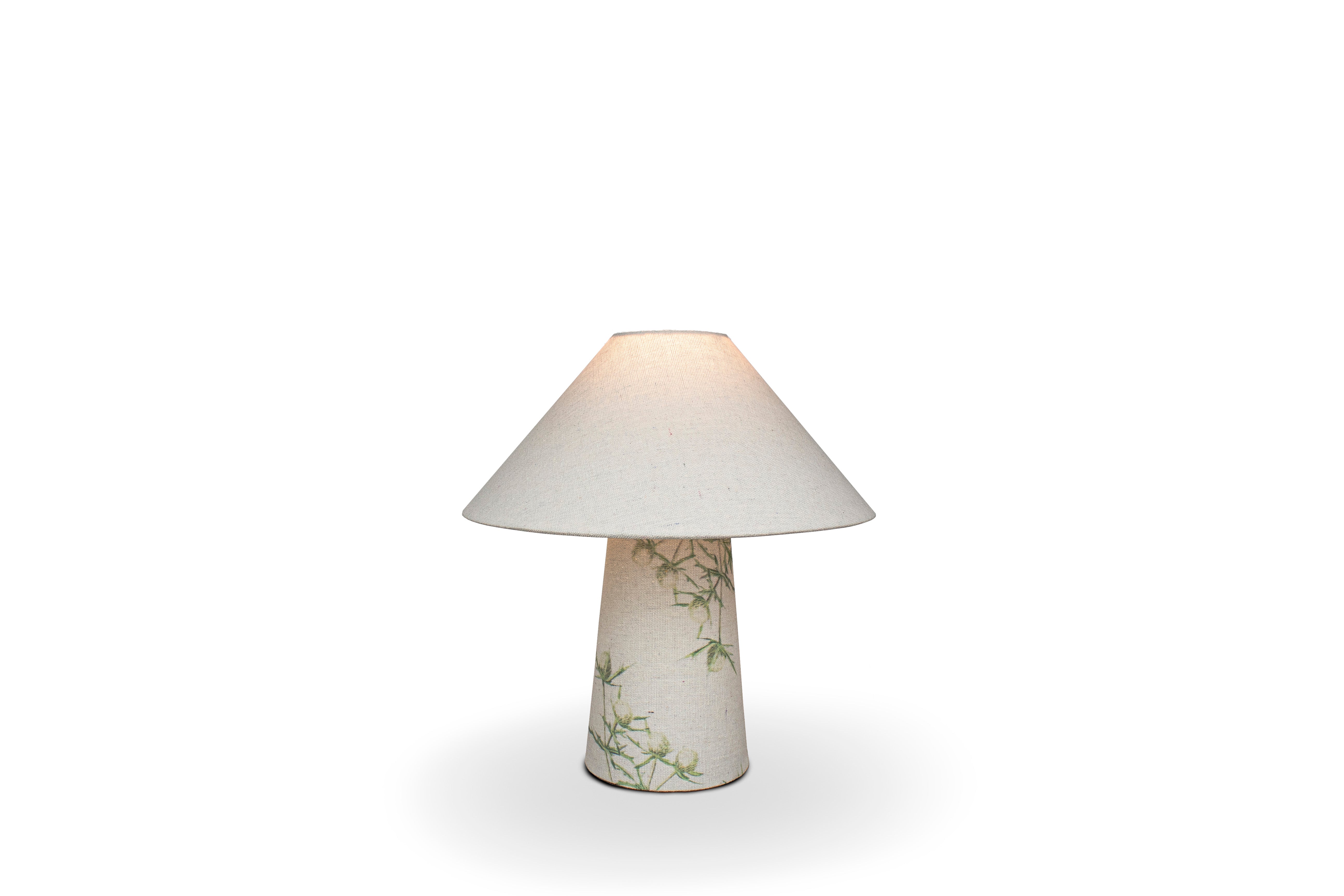
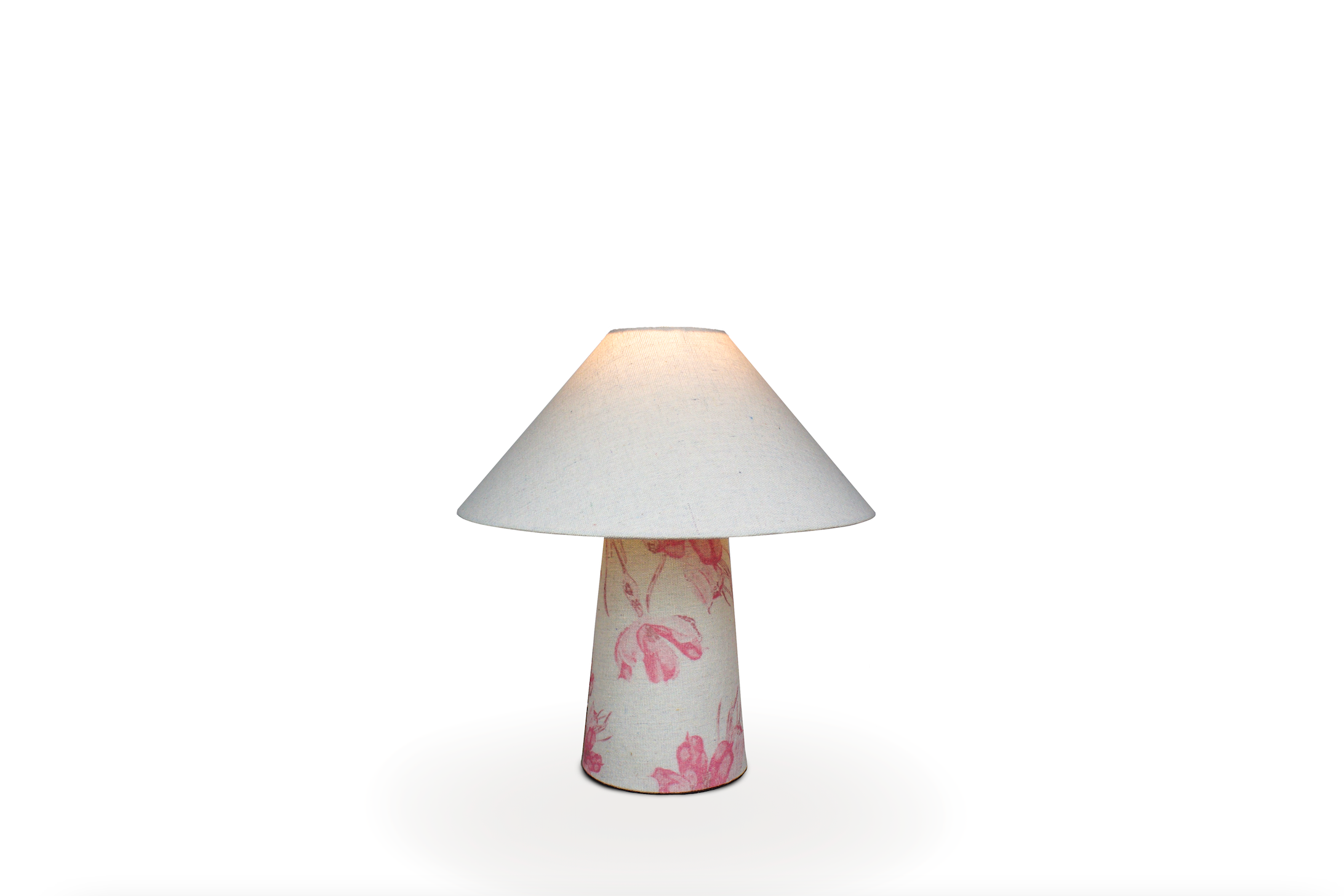
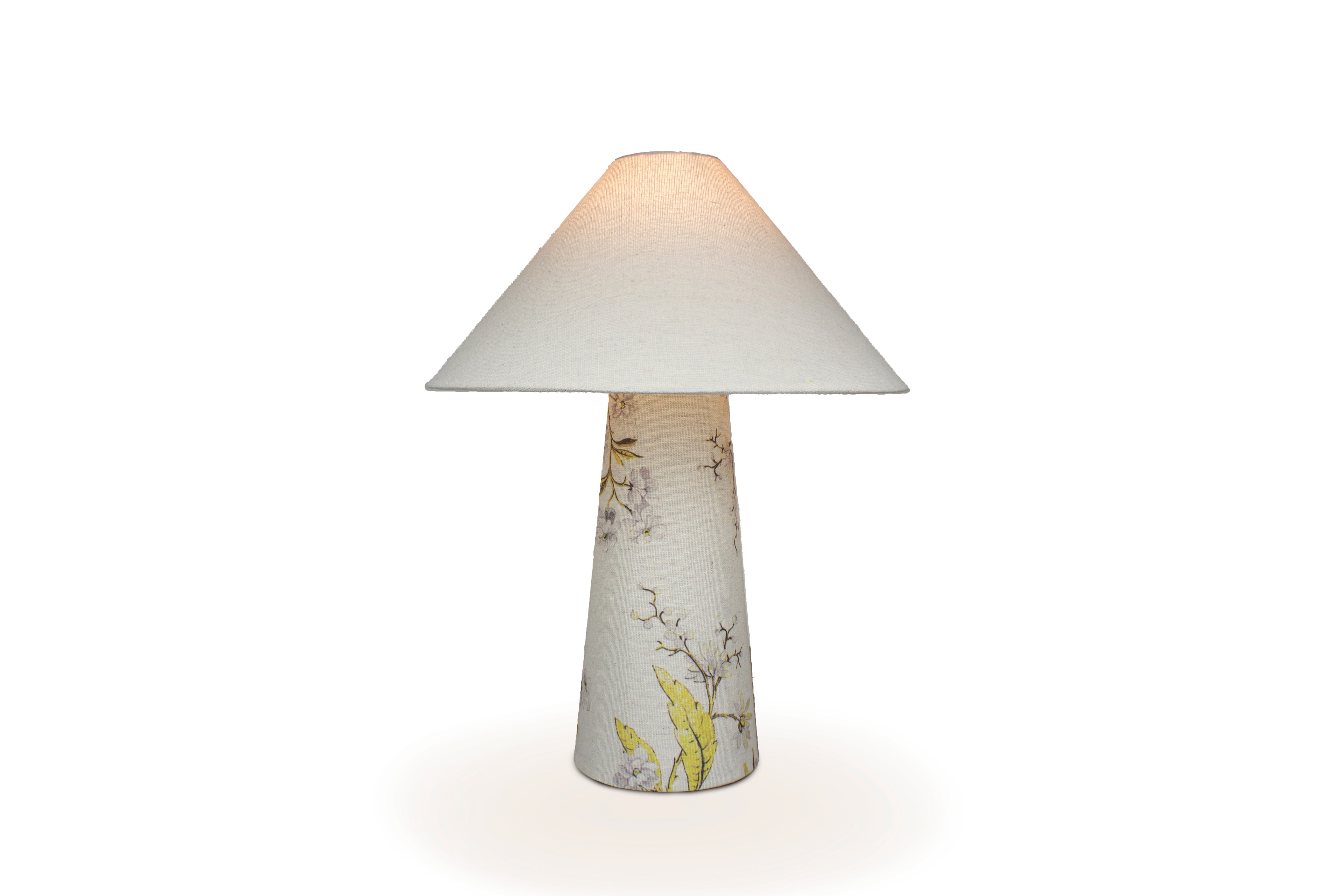
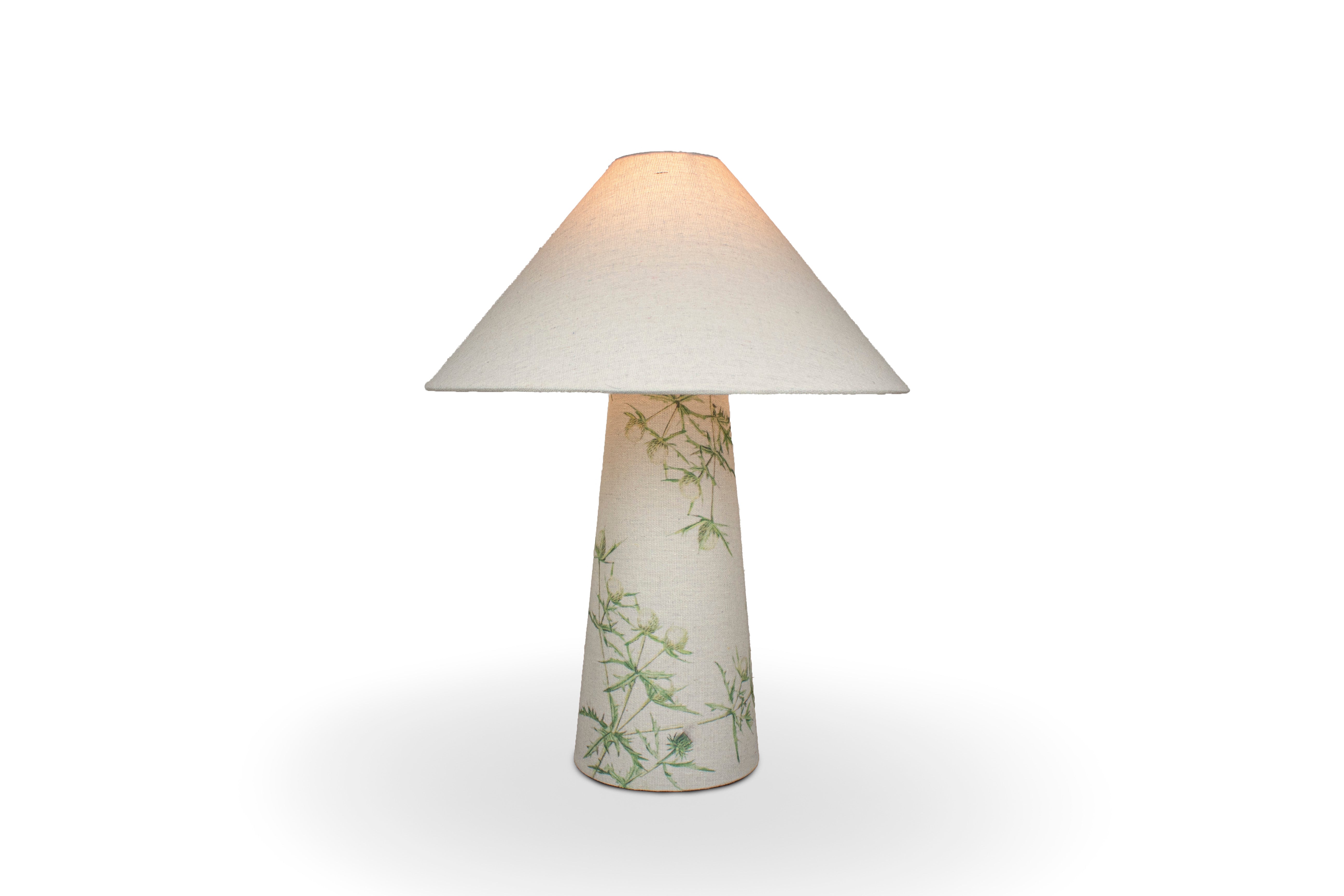
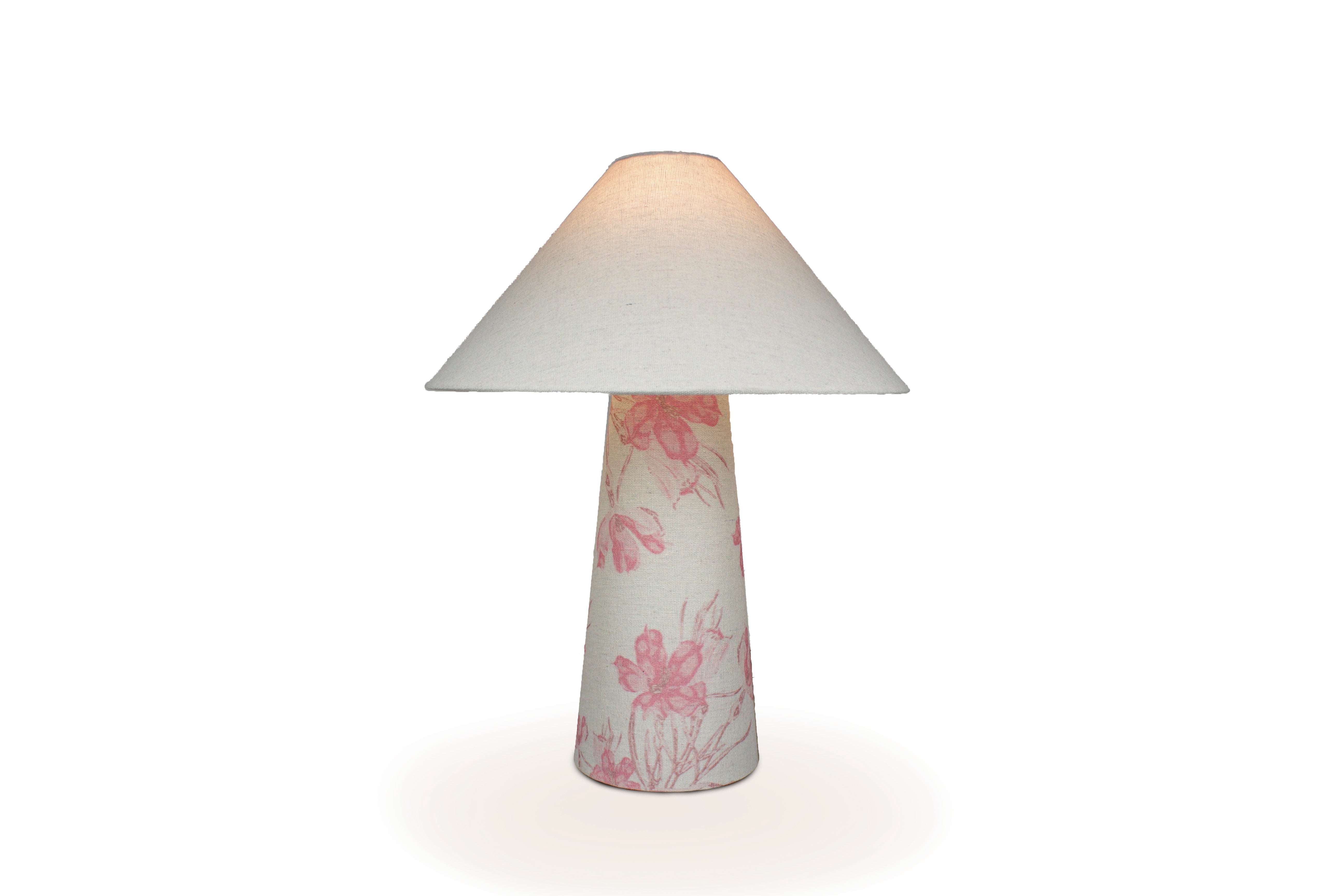
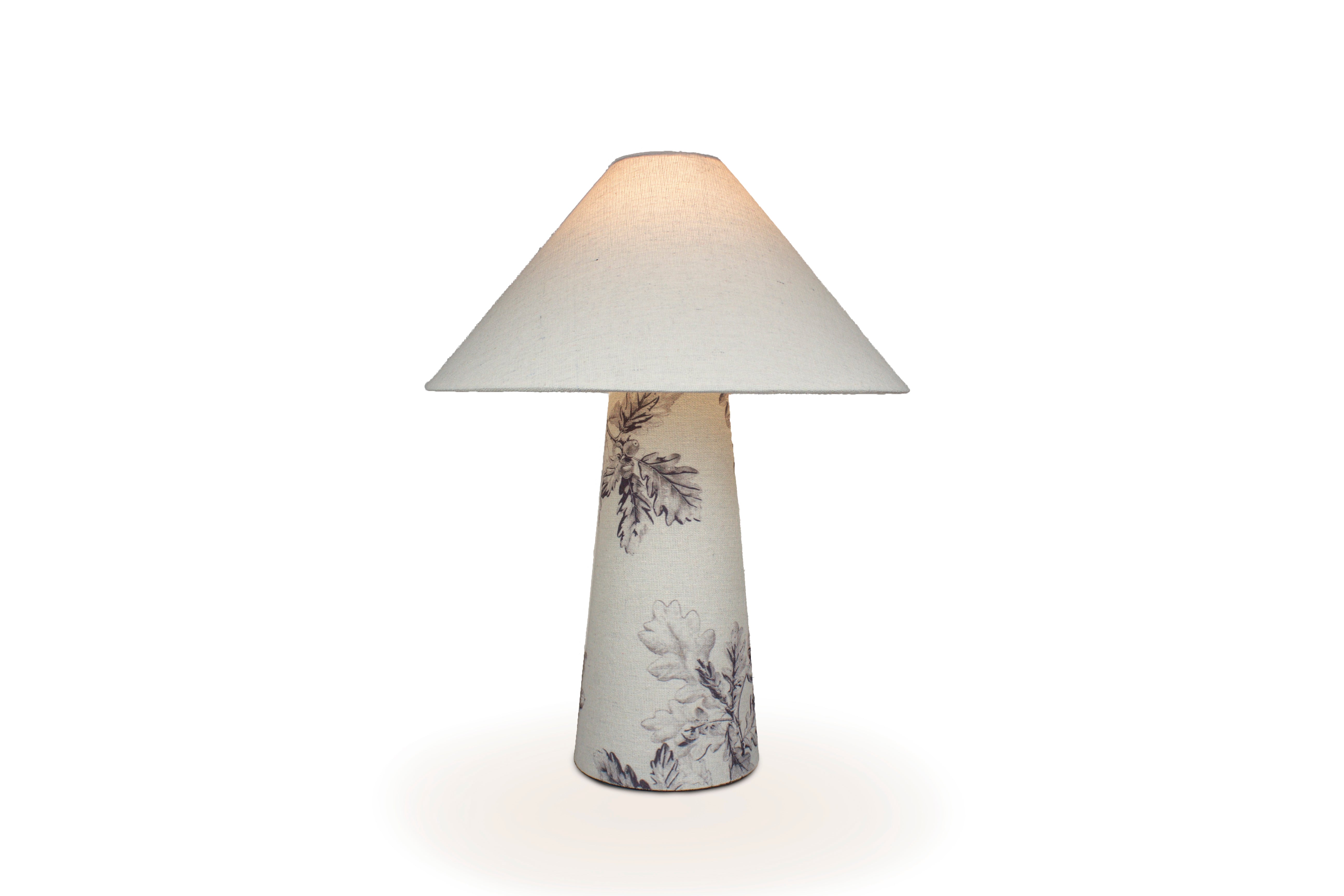
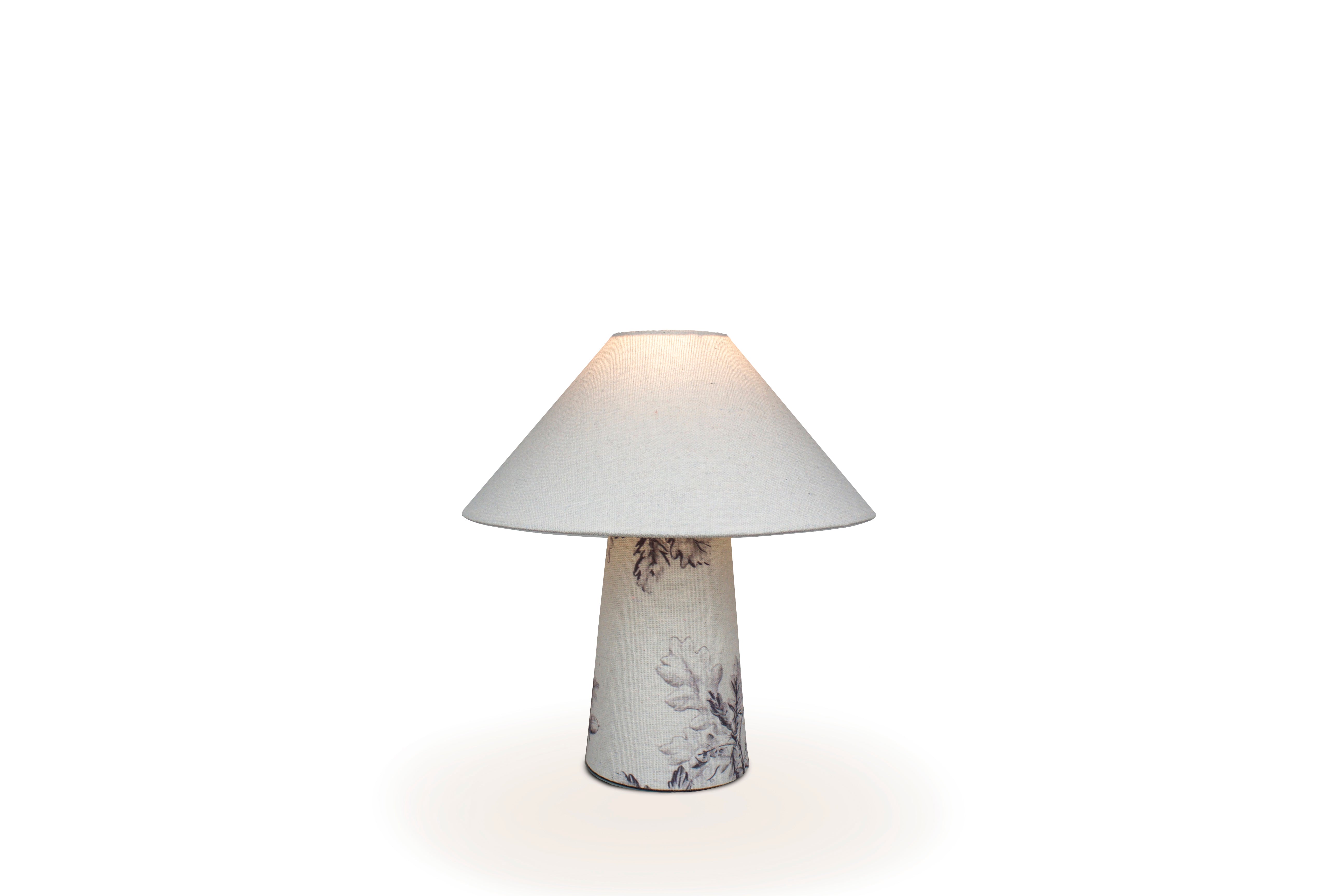
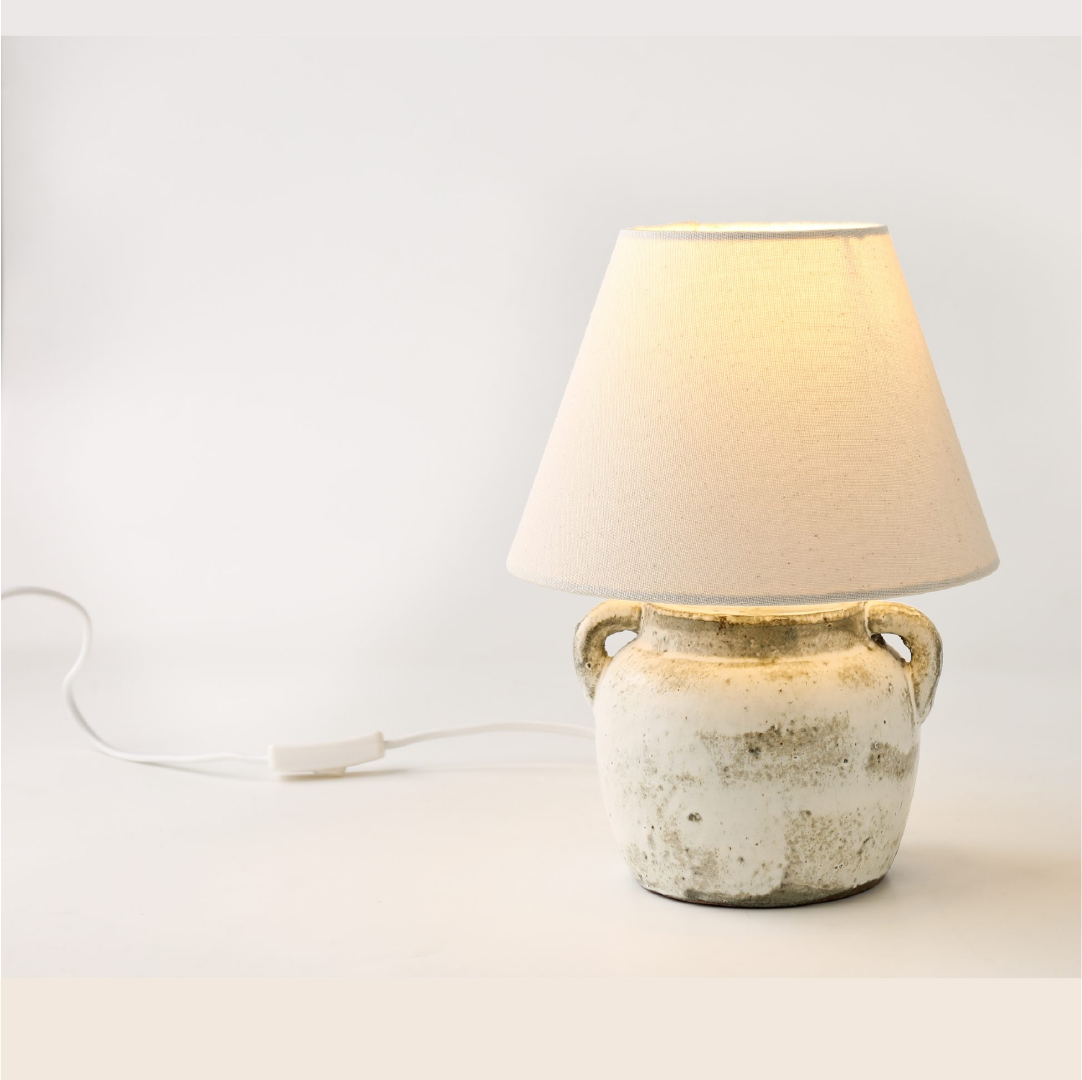
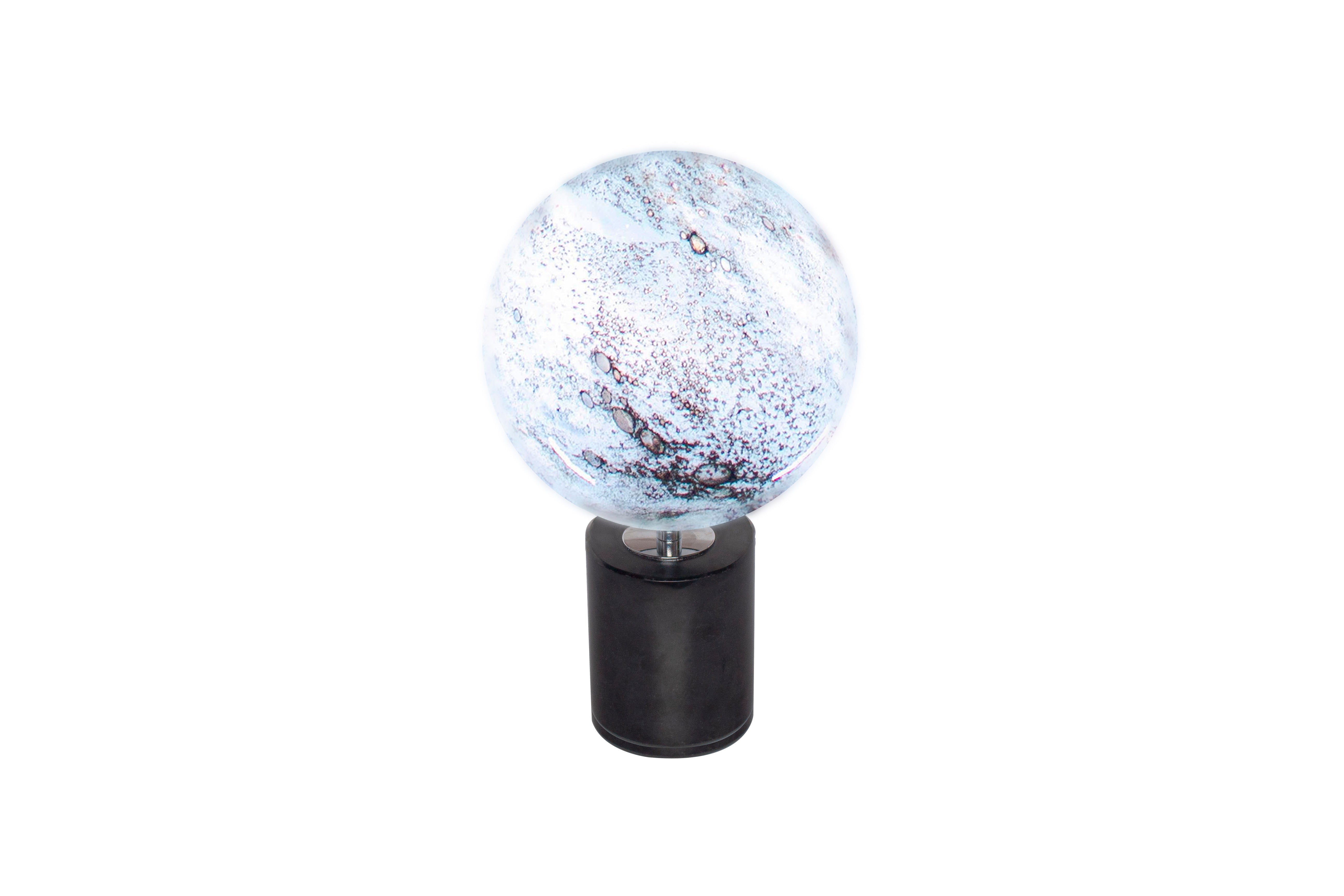
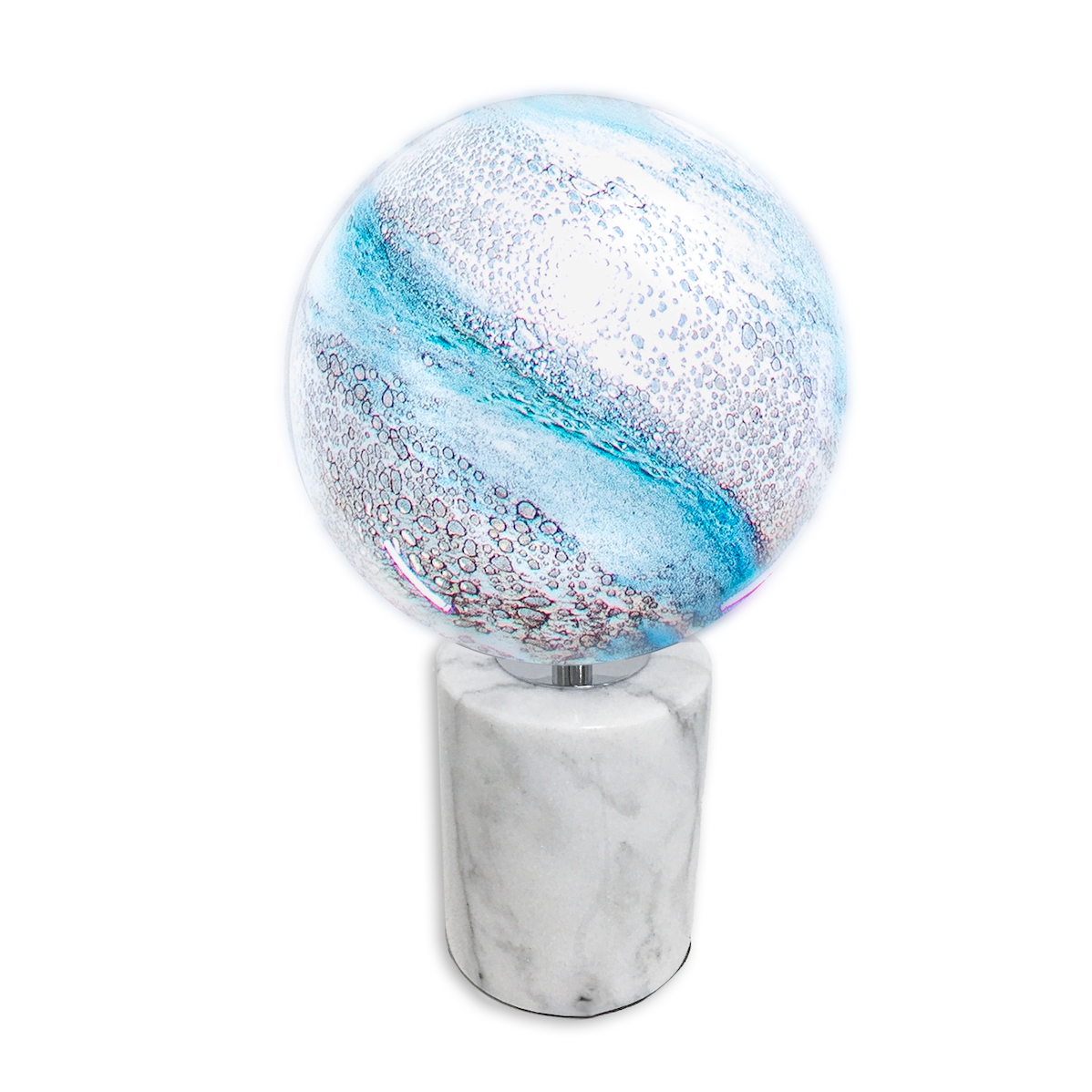
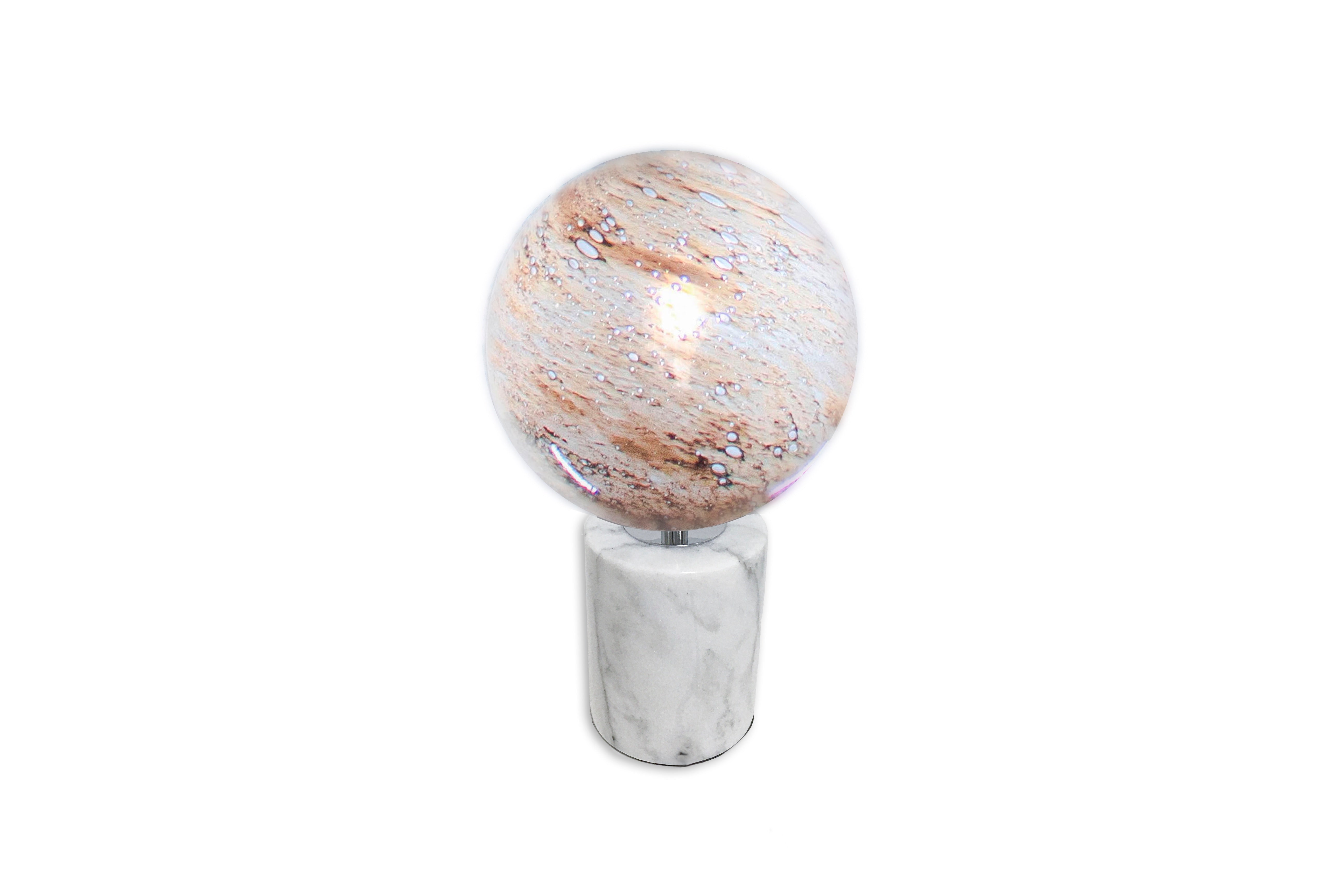
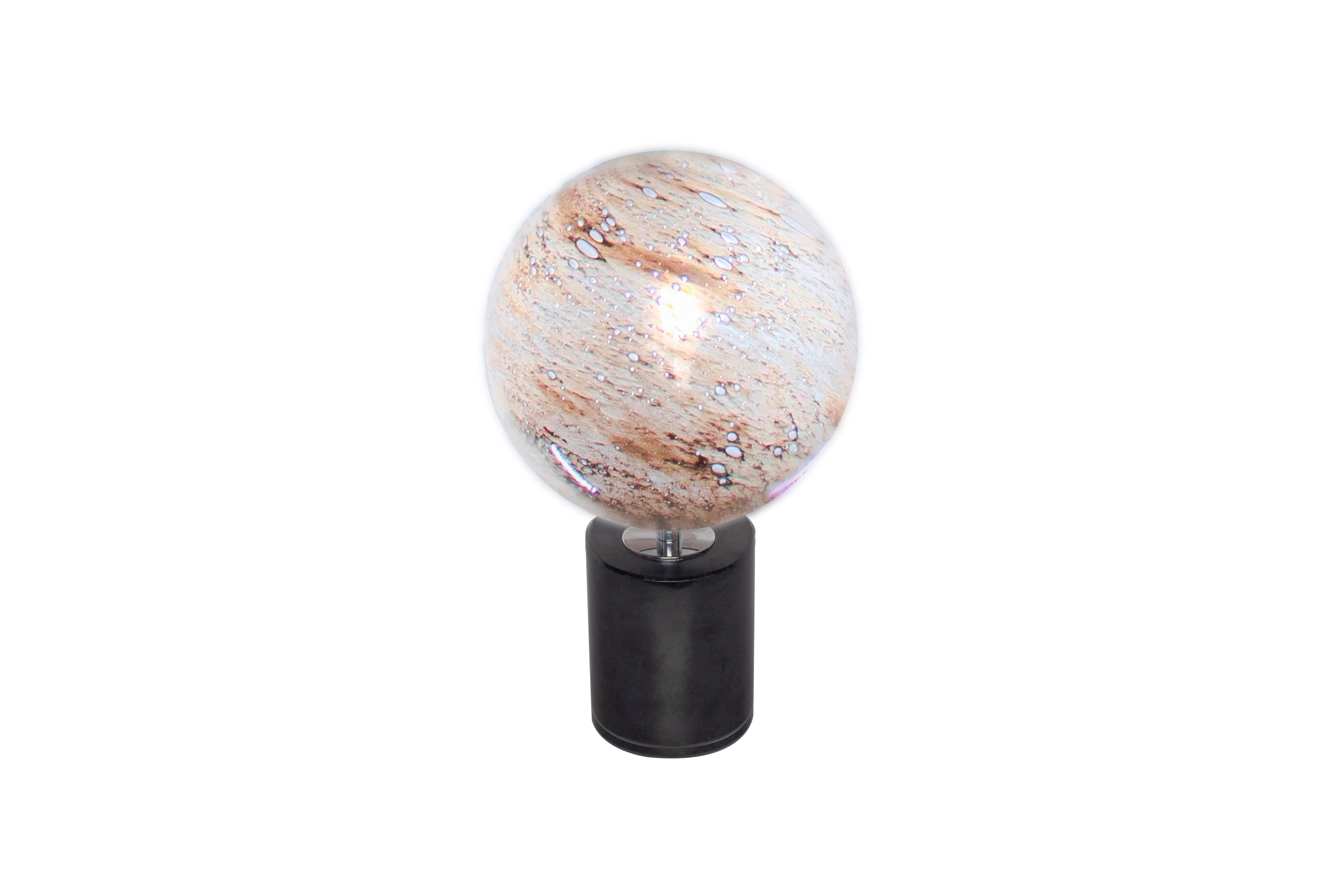
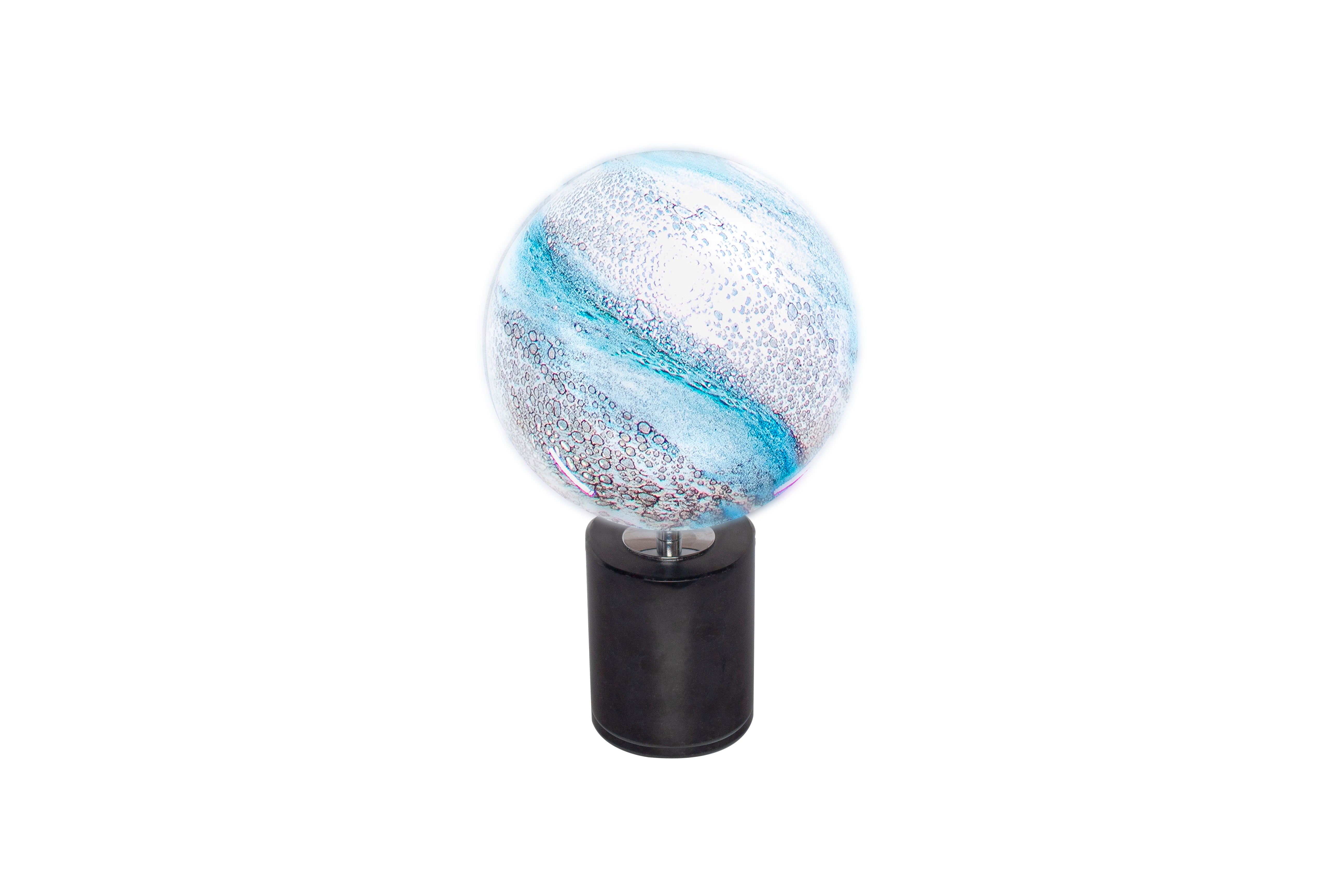
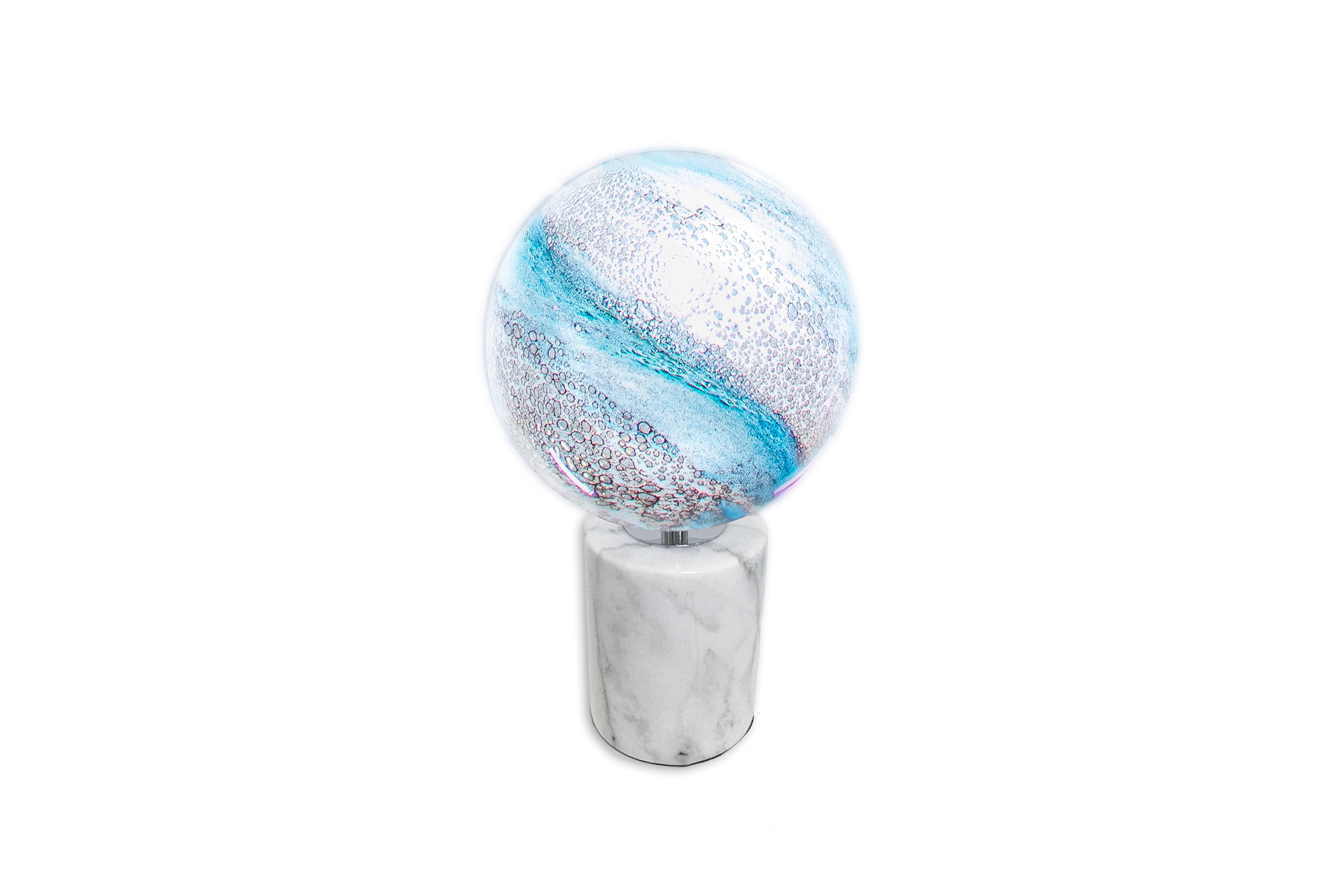
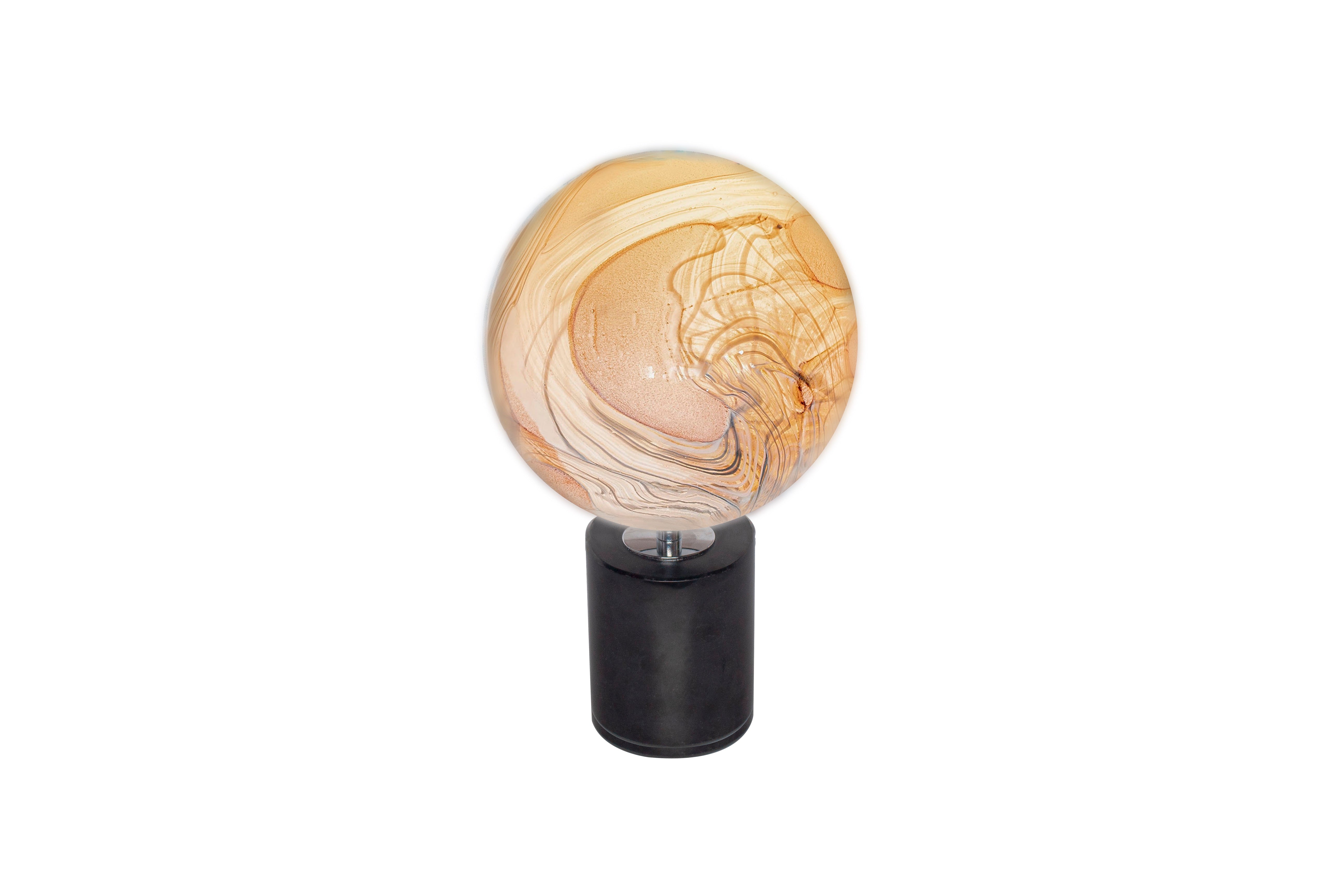
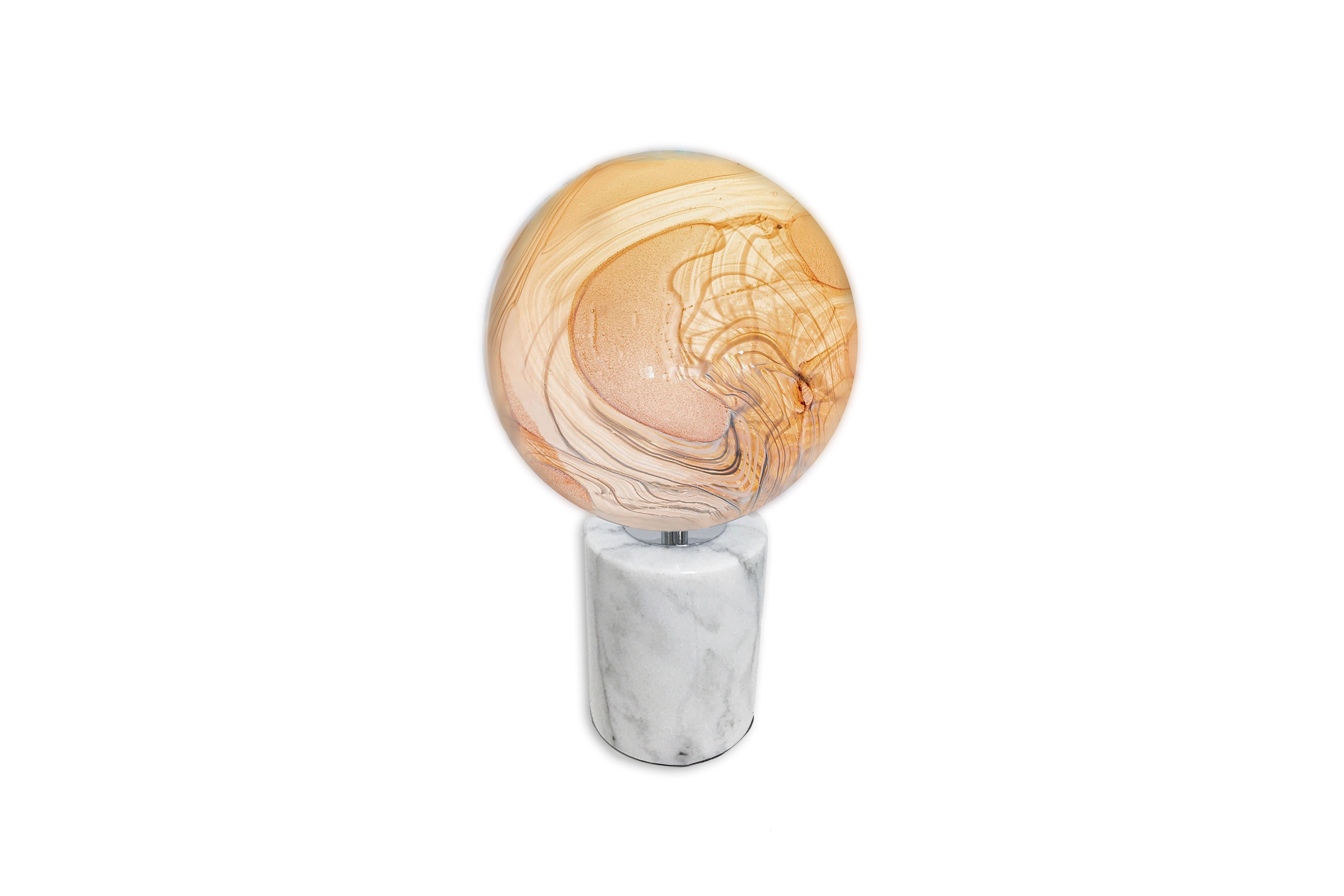
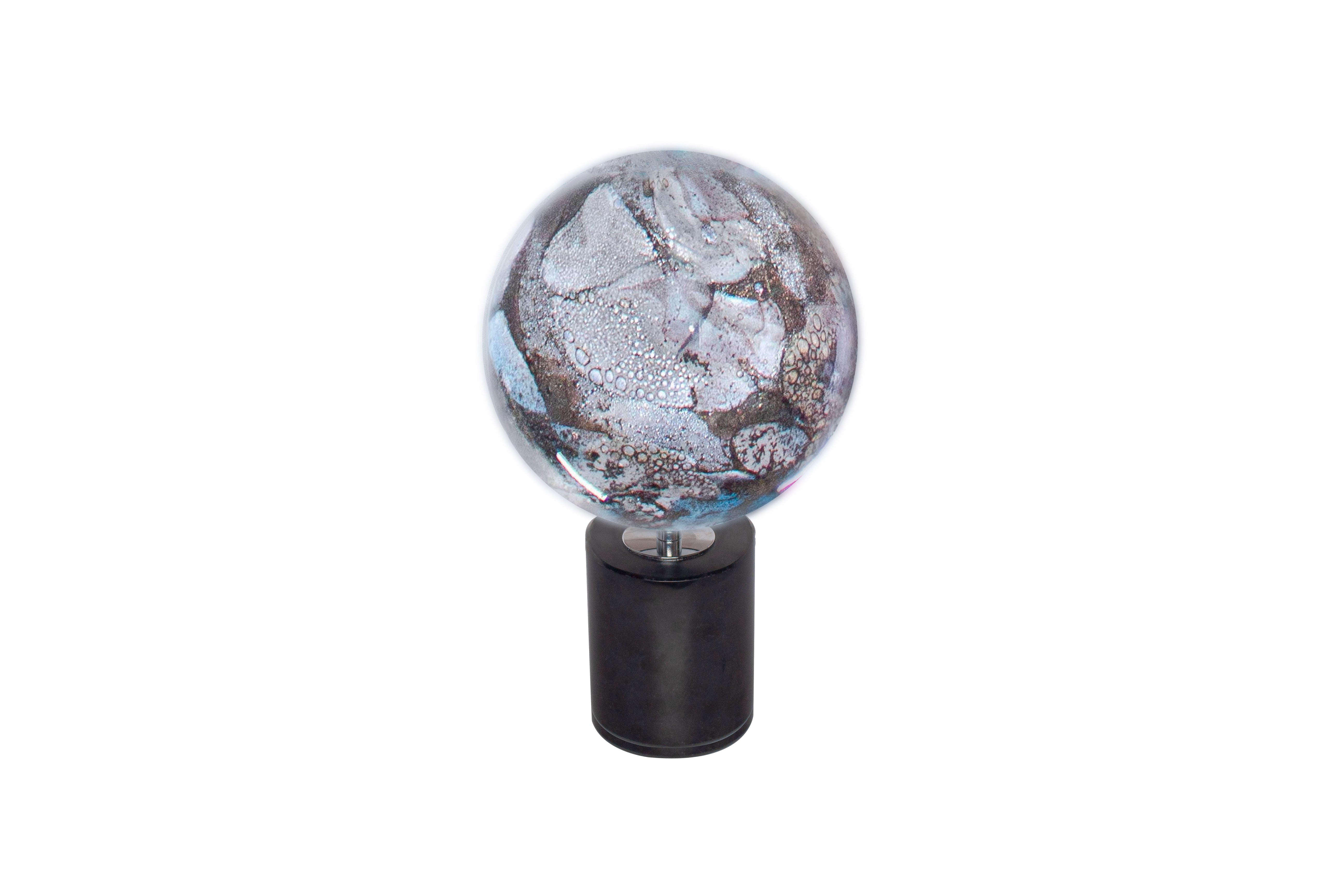
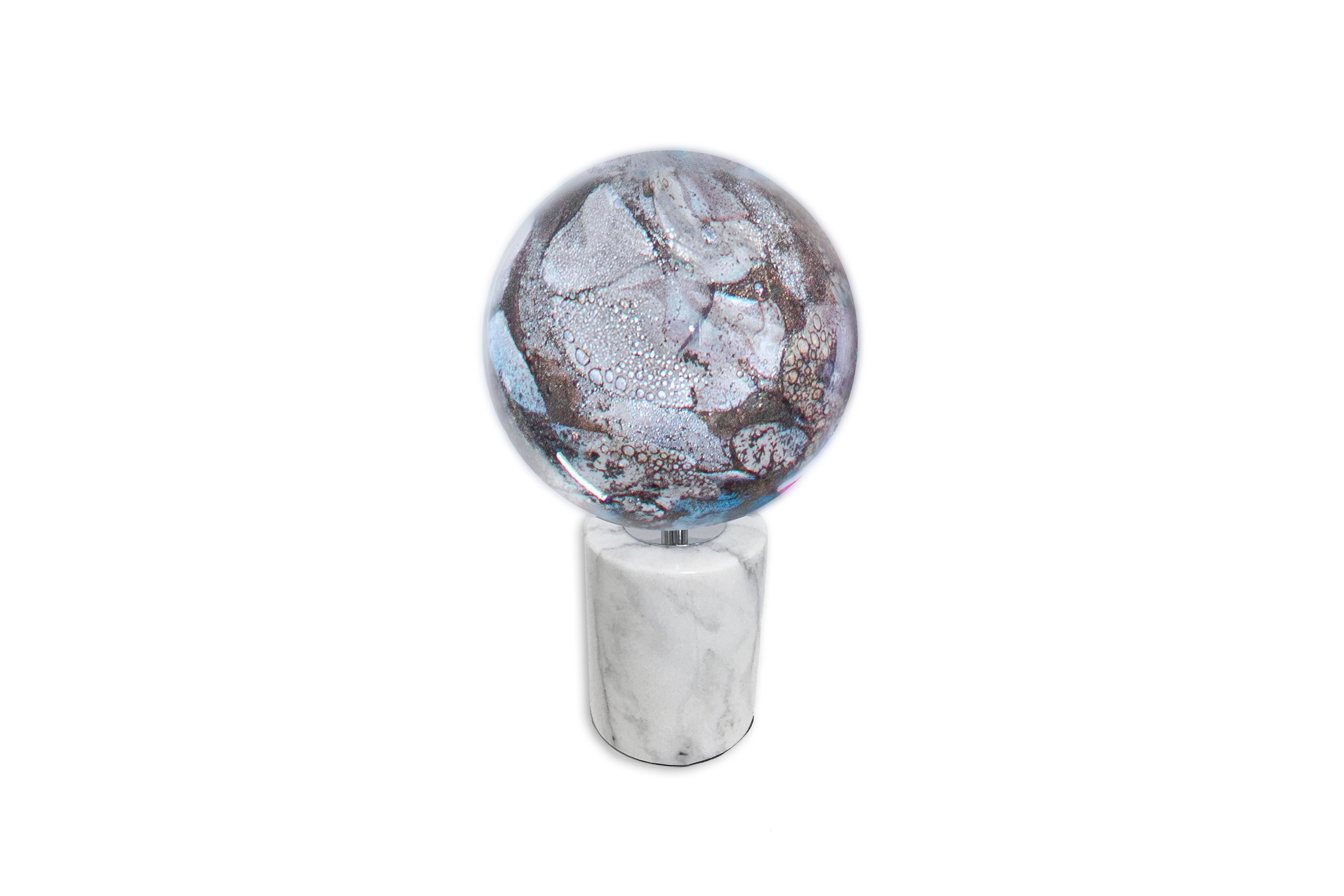


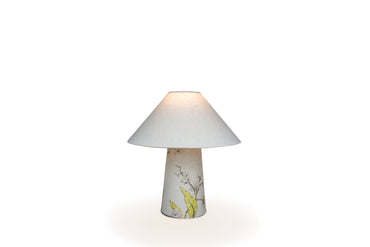
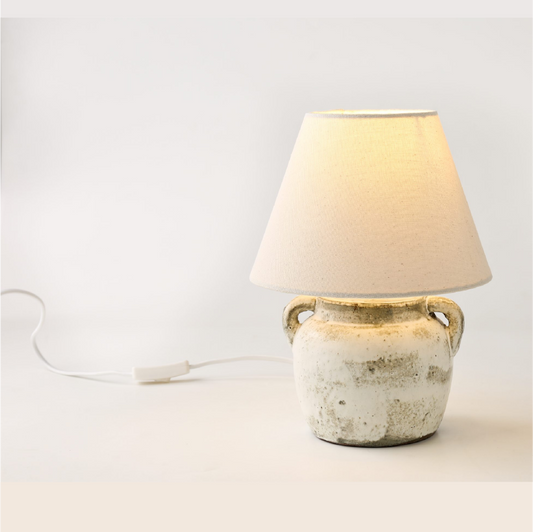
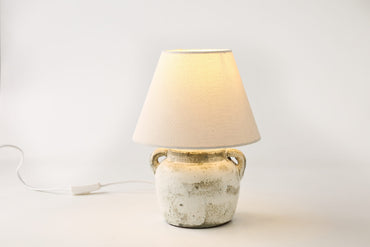
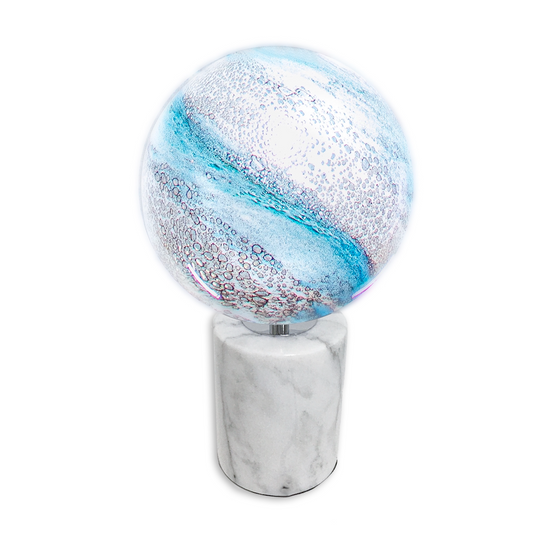


You spend 6-8 hours every night within arm's reach of your bedside lamp.
It's probably the last thing you see before sleep and the first thing you reach for when you wake. You might read under it for an hour each evening. It heats up, cools down, and sits there quietly doing its job.
But what's it actually made from?
Most people have never asked this question. Turns out, it matters more than you'd think.
The Typical Bedside Lamp: A Material Breakdown
Walk into any high street furniture store and pick up a £30-50 bedside lamp. Here's what you're probably getting:
Base: Plastic (often ABS or polypropylene) painted to look like ceramic or metal
Shade: Polyester fabric or PVC-coated paper
Internal components: Plastic bulb socket, synthetic wiring insulation
Finishes: Spray paint, synthetic adhesives, flame retardant coatings
None of this is disclosed on the product label. You see "modern table lamp" and a price. That's it.
What Happens When These Materials Heat Up
Here's the thing about bedside lamps: they get warm.
Not hot enough to burn you, but warm enough to matter. When a 40W bulb runs for 2-3 hours every evening, the materials around it heat up gradually.
Plastic lamp bases can release low levels of VOCs (volatile organic compounds) when warmed. These are the chemicals that give new plastic products that distinctive smell. The warmer they get, the more they off-gas.
Synthetic fabric shades (polyester, nylon) do the same. They're essentially plastic fibers woven into fabric. When heated by a bulb directly underneath, they release trace amounts of chemicals into your air.
Flame retardant coatings are legally required on most mass-produced fabric shades. These are synthetic chemicals designed to slow fire spread. They work, but they also off-gas continuously - faster when heated.
"But It's Just Trace Amounts"
This is the defence you'll hear: "Yes, technically it off-gasses, but the amounts are tiny and well within safety limits."
Fair point. A single lamp probably isn't going to make you ill.
But here's what that argument misses:
1. You're breathing it while you sleep
Your bedside lamp sits 30cm from your head for 8 hours a night. You're breathing whatever it releases, consistently, while your body is in recovery mode.
2. It's cumulative
It's not just the lamp. It's the lamp + the synthetic mattress + the polyester pillowcase + the scented candle + the air freshener + the carpet off-gassing + the MDF furniture. These things add up.
3. We don't have long-term data
Most synthetic materials in home goods have only been widely used for 20-30 years. We don't actually know the long-term health effects of continuous low-level exposure to these chemical cocktails.
The precautionary principle suggests: when you can easily choose materials that don't off-gas, why wouldn't you?
What to Look for Instead
If you're replacing your bedside lamp (or buying one for the first time), here's what actually matters:
Base Material
Good: Glass, natural stone, uncoated ceramic, solid wood, pure metal
Avoid: Plastic (even if painted to look like something else), resin, coated MDF
Why: Natural materials are chemically inert. They don't release VOCs when warmed because there are no volatile chemicals to release.
How to tell: Pick it up. Glass and stone are heavy and cool to touch. Plastic is light and slightly warm. Real ceramic feels dense. If it's suspiciously light for its size, it's probably plastic.
Shade Material
Good: Natural linen, organic cotton, uncoated paper, glass
Avoid: Polyester, nylon, PVC-coated materials, synthetic fabric blends
Why: Natural fibers don't off-gas. They're breathable, biodegradable, and chemically stable. They also diffuse light more softly than synthetics.
How to tell: Check the label. If it doesn't say "100% cotton" or "100% linen," it's probably synthetic. Polyester feels slightly plasticky to touch. Natural fabric feels soft and textured.
Bulb
Good: LED bulbs (lower heat output = less material stress)
Avoid: Halogen bulbs (run very hot, stress materials faster)
Why: LEDs produce 90% less heat than traditional bulbs. Less heat = less off-gassing from surrounding materials. Plus they last 15,000+ hours and use a fraction of the electricity.
The Glass & Natural Fiber Difference
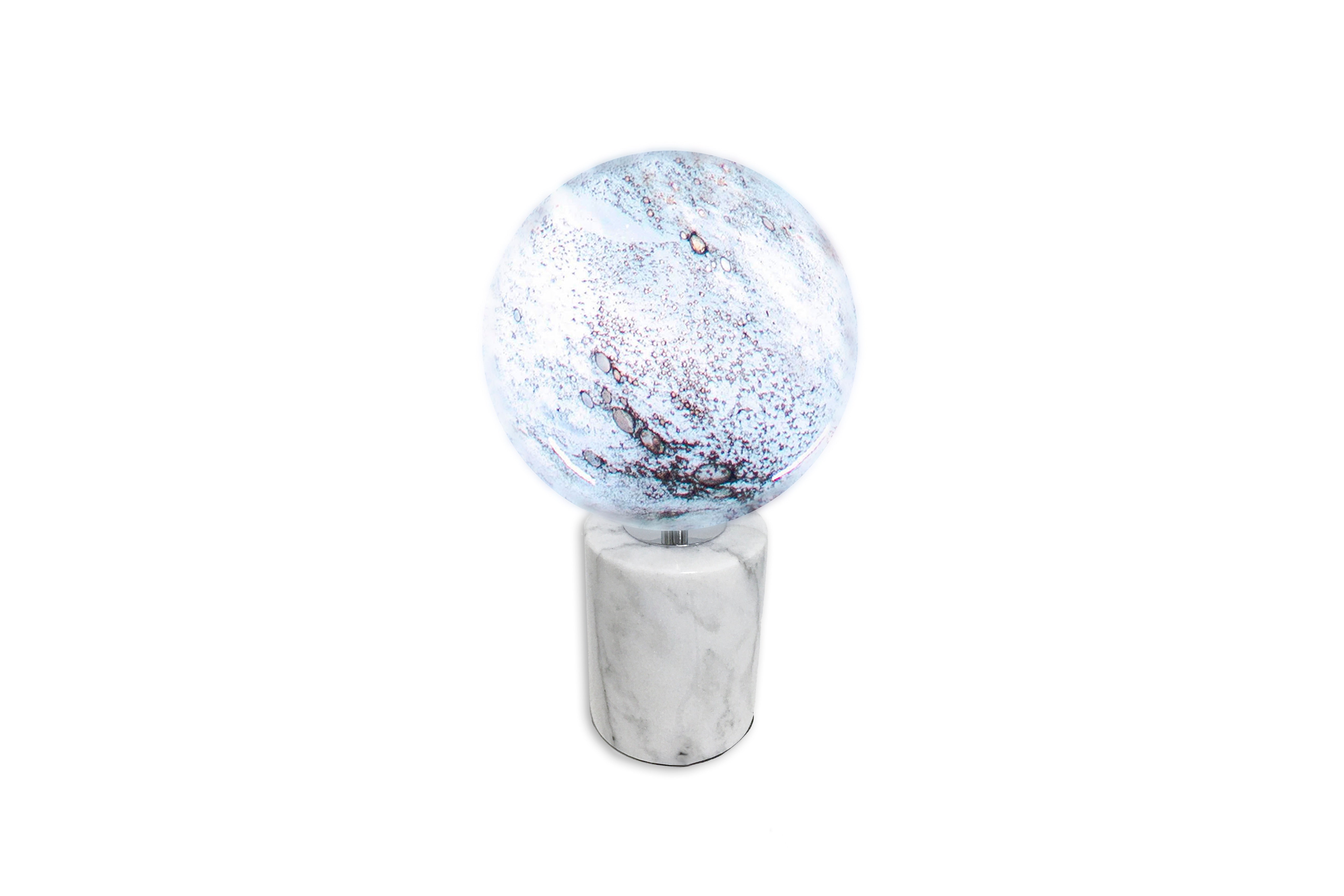
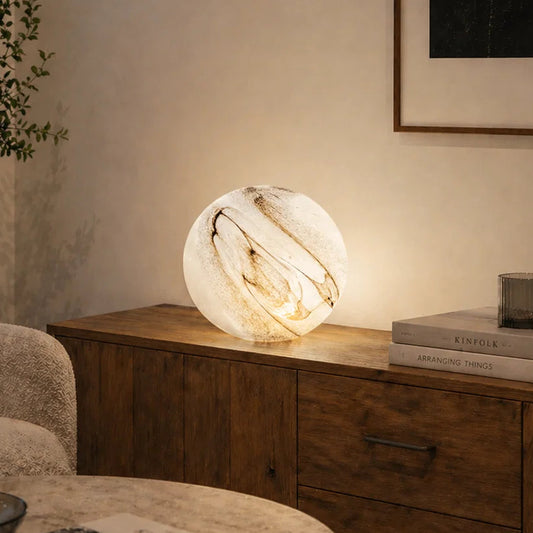
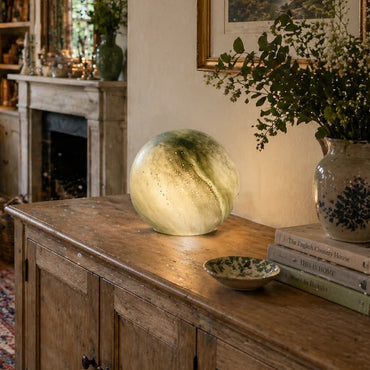
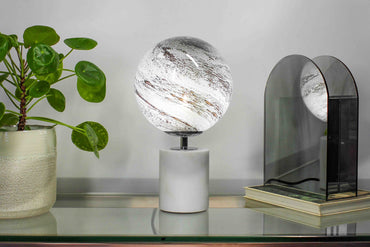
This is why we only stock lamps made from glass, stone, porcelain, and natural fabrics.
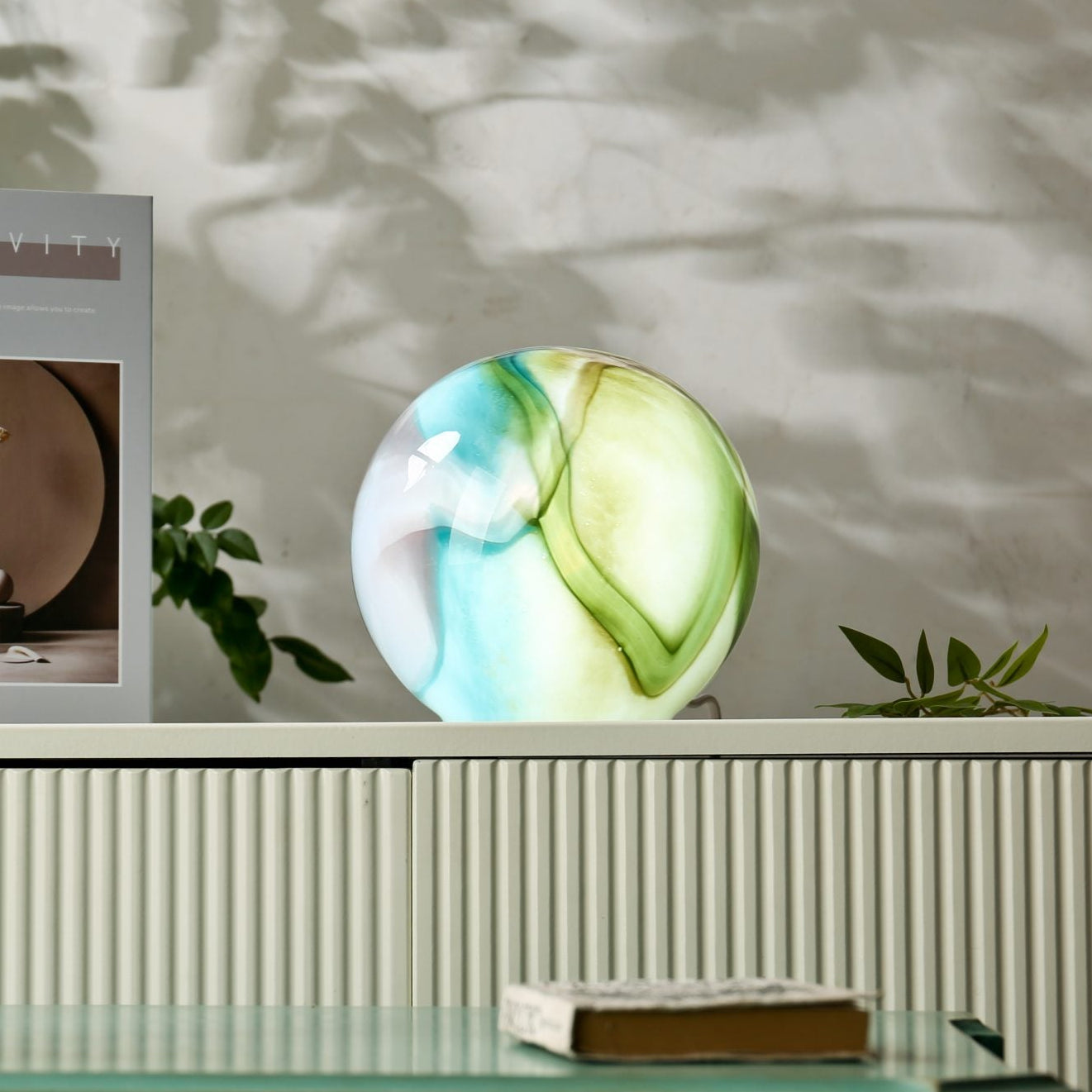
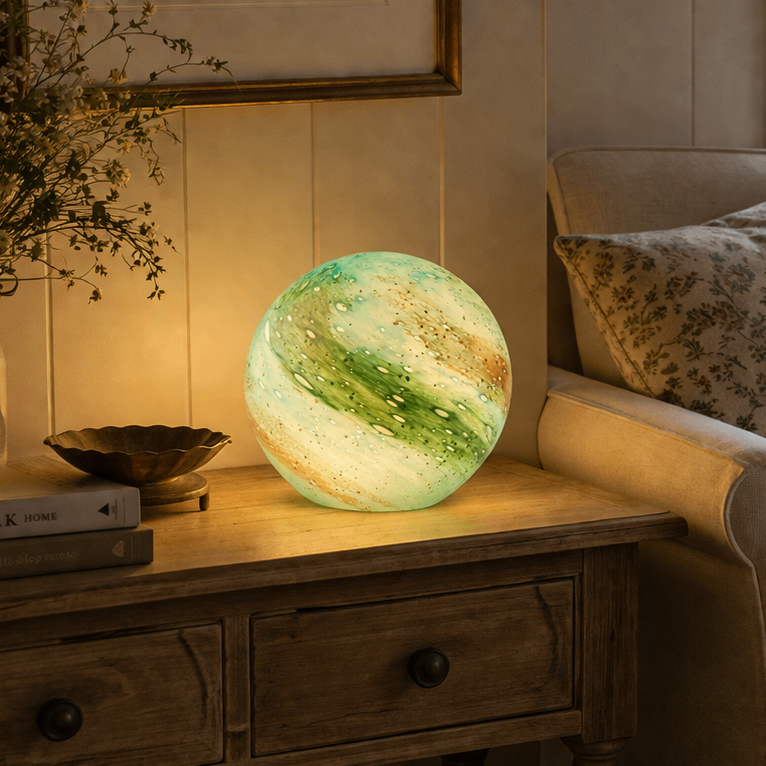
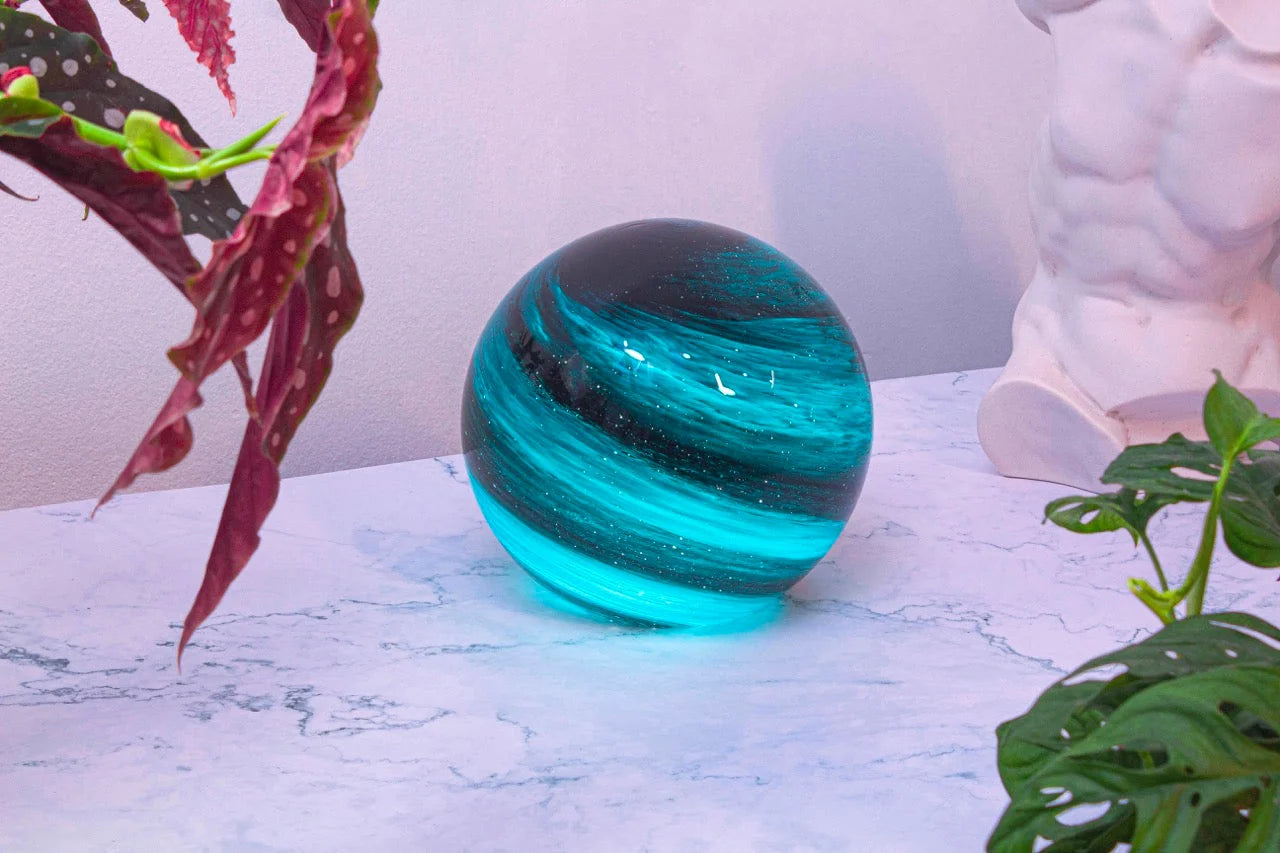
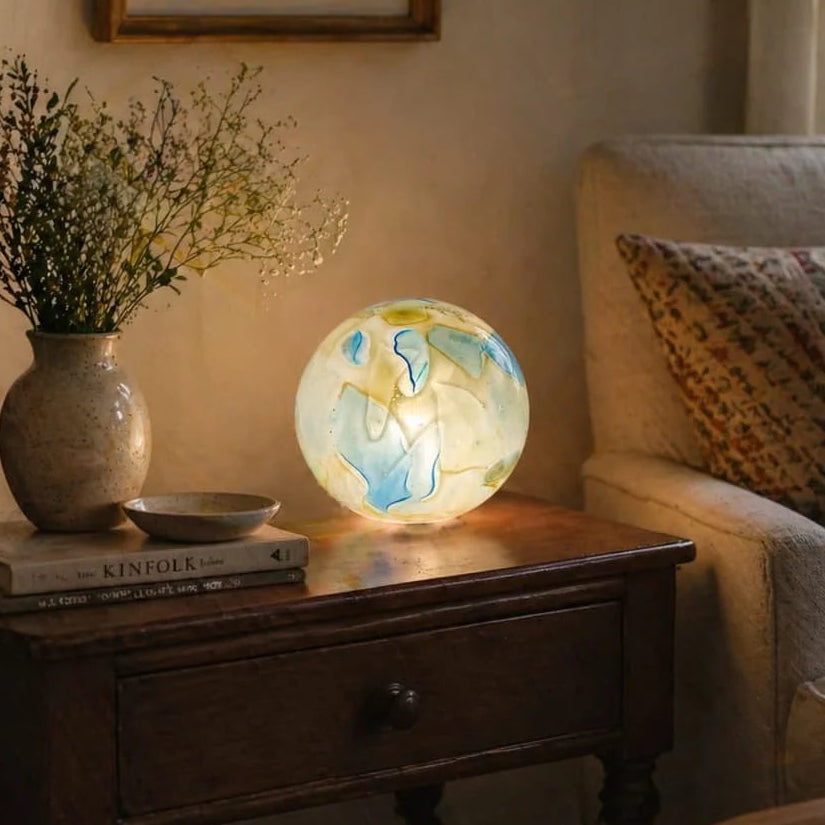
Glass is completely non-porous and chemically inert. It doesn't absorb, doesn't leach, doesn't off-gas. Heat it, cool it, heat it again - nothing changes. It's the same material used in laboratory equipment specifically because it's so chemically stable.
Natural stone and porcelain (fired clay) are the same. Formed without synthetic additives, stable at any temperature you'd encounter in a home.
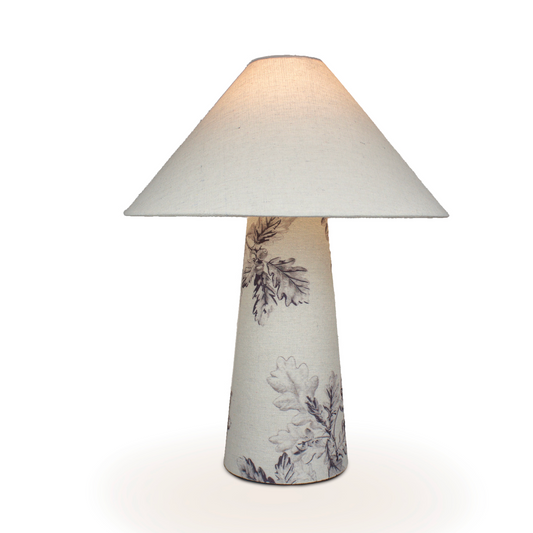
Natural linen and cotton (when untreated with flame retardants) are plant fibers. They breathe, they're biodegradable, and they don't release chemicals when warmed.
These materials have been used in homes for centuries. Not because they're trendy, but because they work and they're safe.
What About "BPA-Free" and "Non-Toxic" Claims?
You'll see these on product listings. They're mostly meaningless.
"BPA-free" just means that specific chemical isn't used. It doesn't mean the plastic is free from other endocrine-disrupting chemicals. Manufacturers often replace BPA with similar compounds (BPS, BPF) that haven't been studied as thoroughly.
"Non-toxic" isn't a regulated term. Anyone can use it. It doesn't mean certified, tested, or verified by any authority.
The only way to be certain is to know exactly what the product is made from. Glass is glass. Linen is linen. Plastic labeled "non-toxic" is still plastic.
Making the Swap
If you're reading this thinking, "Great, now I need to replace every lamp in my house," - you don't.
Start with the one that matters most: your bedside lamp.
It's the one closest to you for the longest time. It's the easiest swap to make. And it's the one where material quality makes the biggest immediate difference.
What to Look For:
- Glass or stone base (substantial weight, cool to touch)
- Natural fabric shade (linen, cotton - check the label)
- LED-compatible (E14 or E27 fitting)
- Inline switch (so you're not fumbling behind furniture)
Price Reality:
Yes, a lamp made from genuine materials costs more than a plastic one. £80-150 vs £25-40.
But it'll last 10+ years instead of 2-3. The materials won't degrade. The light quality stays consistent. And you're not breathing trace chemicals every night.
Divide £120 by 10 years. That's £12/year for something you use every single day.
The Bigger Picture
This isn't about creating fear around your bedside lamp.
It's about making informed choices. Most of us spend serious time researching what we eat, what we put on our skin, what cleaning products we use. We check ingredients, avoid additives, choose quality.
But we rarely apply the same scrutiny to the objects we live with every day.
Your bedside lamp is a good place to start.
Ready to Make the Swap?
Shop Glass Lamps → - Hand-blown glass with natural stone bases
Shop Fabric Lamps → - Natural cotton shades, no flame retardants
Shop Porcelain Lamps → - Handcrafted ceramic, rechargeable options
Or [read more about why materials matter →]
