



If you've just watched the microplastics documentary 'The Plastic Detox' making waves on Netflix, you're probably feeling a mix of shock, concern, and overwhelm. The average person ingests roughly 5 grams of plastic every week - the equivalent of eating a credit card. The documentary laid bare a crisis hiding in plain sight, but what it didn't give you was a clear roadmap for what to do about it.
We're going to fill that gap.
This isn't about perfection or completely eliminating plastic from your life overnight (nearly impossible in 2026). This is about identifying the highest-impact changes you can make in the place you have the most control: your kitchen.
What the Documentary Got Right
The documentary delivered three critical truths:
1. Microplastics are everywhere
Indoor air contains 9-12 times more microplastic particles than outdoor air. Your home - the place you thought was safest - is actually concentrating exposure.
2. Food storage and preparation are major contamination points
Plastic cutting boards shed up to 50,000 microplastic particles with each use. Heating food in plastic containers releases up to 4.2 million particles per container. These aren't abstract statistics - this is your Tuesday night dinner.
3. The problem compounds over time
97% of people tested have PFAS (forever chemicals) in their blood, persisting for 2-8 years. This isn't a one-time exposure issue; it's cumulative. Every meal stored in plastic, every morning coffee from a plastic machine, every chopped vegetable on a plastic board - it adds up.
The documentary made you aware. Now let's make you equipped.
What They Didn't Cover: Your Kitchen is the Easiest Win
Here's what the documentary glossed over: you have near-complete control over your kitchen materials.
You can't control microplastics in rainwater, public buildings, or manufactured products. But you choose every container, cutting board, and storage jar in your kitchen. That's leverage.
The kitchen is also where you interact with food most directly - storing, preparing, heating, serving. Contamination here goes straight into your body, multiple times daily. Which means switching materials here has the highest impact per effort invested.
The 5 Swaps That Actually Matter (Prioritised by Impact)
1. Food Storage Containers (Highest Impact)
The Problem:
Plastic food storage containers degrade with every wash, every temperature change, every acidic tomato sauce. Research shows heating food in plastic releases 4.2 million microplastic particles. Even "BPA-free" plastics contain similar harmful chemicals (BPS, BPF) - the industry just swapped one problematic chemical for slightly different problematic chemicals.
The Solution:
Borosilicate glass containers with bamboo or silicone lids.
Why borosilicate specifically? It's laboratory-grade glass that resists thermal shock - freezer to microwave without cracking. Chemically inert means nothing leaches into your food regardless of acidity, oil content, or storage duration.
Immediate Action:
Replace the containers you use most frequently first. For most households, that's:
- Leftover storage containers (3-4 containers, various sizes)
- Meal prep containers if you batch cook
- Pantry staples (flour, rice, oats) currently in plastic
Cost vs Impact:
£60-100 initial investment eliminates daily microplastic exposure from the highest-contact kitchen items. Containers last 20-30 years vs 1-3 years for plastic. Better economics long-term, better health always.
2. Cutting Boards (High Impact, Often Overlooked)
The Problem:
Plastic cutting boards shed up to 50,000 microplastic particles per use. Those particles transfer directly to the vegetables, meat, or bread you're cutting. You're essentially garnishing dinner with microscopic plastic shavings.
The Solution:
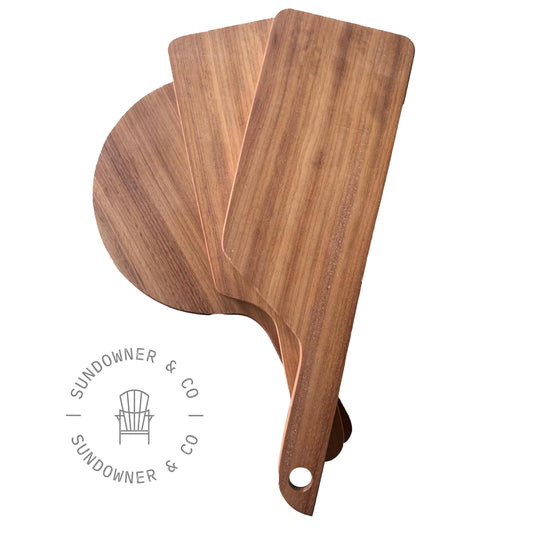
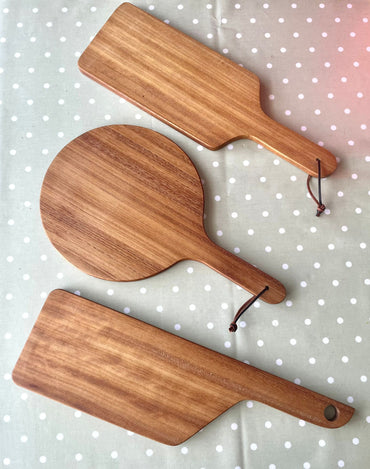
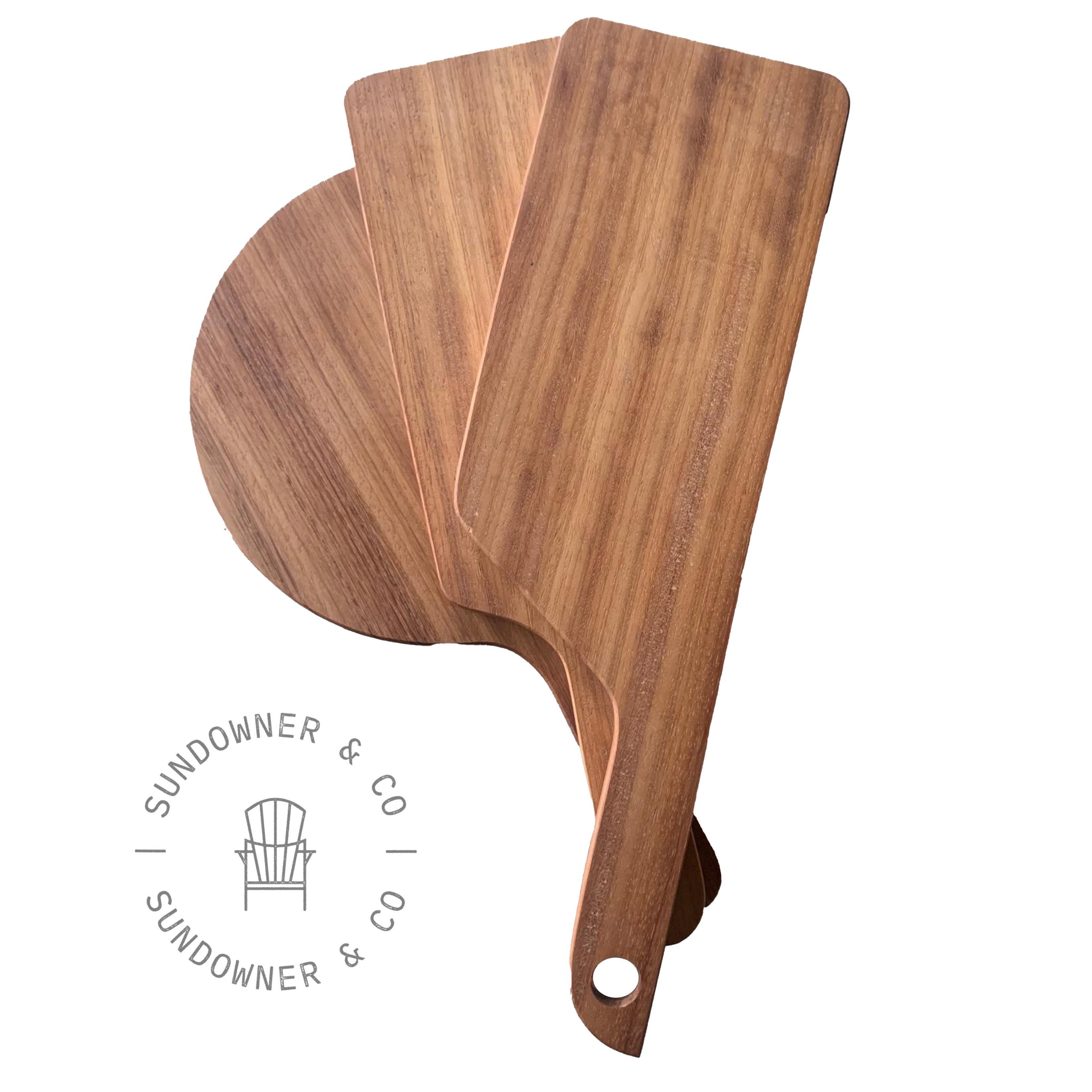
Solid hardwood cutting boards - specifically dense hardwoods like iroko, maple, or walnut.
Wood is naturally antimicrobial (bacteria die on wood surfaces rather than multiplying like they do in plastic's knife grooves). Dense hardwoods resist knife scoring better than bamboo or softwoods. They're also self-healing - the wood fibers close up slightly after cutting.
Immediate Action:
Replace your most-used cutting board (typically the medium-sized one for vegetables/daily cooking). Keep plastic boards only for truly raw meat if you're concerned about cross-contamination, then hand wash immediately and dry.
Maintenance Reality Check:
Yes, wood boards require occasional mineral oil application (every 3-6 months). Five minutes of maintenance every few months vs daily microplastic consumption. Choose your trade-off.
3. Water Bottles and Coffee Cups (Medium-High Impact)
The Problem:
You're probably not still using single-use plastic water bottles (well done). But reusable plastic bottles, plastic-lined thermal cups, and even some "stainless steel" bottles with plastic components still shed particles into the liquids you drink throughout the day.
The Solution:
Single-wall glass bottles for home/office, or true stainless steel (interior and exterior) for portability.
For coffee: ceramic or porcelain mugs, or stainless steel thermal mugs with no plastic components (including lids - most thermal mug lids are plastic even when the body is metal).
Immediate Action:
Audit what you actually use daily. Most people have 8 water bottles but use the same 2. Replace those 2 with glass or true stainless steel.
4. Cooking Utensils (Medium Impact)
The Problem:
Plastic spatulas, spoons, and serving utensils melt slightly at cooking temperatures - that's where the microplastics come from. Heat accelerates degradation.
The Solution:
Wooden or stainless steel cooking utensils.
Wood for non-stick pans (won't scratch), stainless steel for everything else. Silicone is better than plastic (more heat-stable) but wood and metal are best.
Immediate Action:
Replace the utensils you use at high heat first (spatulas for frying, stirring spoons for soups/sauces). Keep plastic serving spoons for cold items if you must, but eliminate plastic from anything touching hot food.
5. Food Wrap and Storage Bags (Lower Direct Impact, High Waste Impact)
The Problem:
Cling film and single-use plastic bags create waste more than direct contamination (unless heating food wrapped in plastic - don't do this). But the cumulative environmental impact is massive.
The Solution:
Beeswax wraps for short-term coverage, glass containers with lids for storage, silicone bags for freezing.
Immediate Action:
Stop buying cling film. Use what you have, then don't replace it. You'll adapt by using containers with lids instead - better seal anyway.
The "Replace As You Go" Strategy
Don't throw out everything plastic tomorrow. That's wasteful and expensive. Instead:
Month 1: Replace the 3-5 items you use most frequently
Month 2-3: Replace secondary items as plastic versions break or need washing
Month 4-6: Gradually phase out remaining plastic
By month 6, your kitchen is transformed without the financial shock or waste guilt of mass disposal.
What About Cost?
Yes, glass containers cost more upfront than plastic. Here's the actual math:
Plastic Container Set: £15-25, lasts 1-2 years before warping/staining/cracking
Over 20 years: £150-250 spent on replacements
Borosilicate Glass Set: £60-100, lasts 20-30+ years
Over 20 years: £60-100 total
Glass is cheaper long-term. The "expensive" perception comes from comparing upfront costs while ignoring replacement cycles.
Same logic applies to wooden cutting boards (£30-50, lasts decades) vs plastic (£10-15, needs replacing every 1-2 years).
The Microplastics You Can't Control (Yet)
Let's be honest: switching kitchen storage doesn't eliminate all microplastic exposure. You're still breathing indoor air, wearing synthetic clothing, using products with plastic packaging. The documentary made this clear - it's systemic.
But here's why kitchen swaps matter despite incomplete coverage:
1. Dose matters
Reducing exposure by 40-60% (realistic from kitchen changes) significantly decreases cumulative body burden over years.
2. Direct ingestion is highest risk
Microplastics you eat are more problematic than ones you breathe (different absorption, different organs affected). Kitchen changes target direct ingestion.
3. Control reduces anxiety
Knowing you've eliminated the exposures within your control makes the uncontrollable ones less mentally burdensome.
4. Market signals matter
Every glass container you buy instead of plastic is a tiny market signal. Multiply by millions of documentary viewers, manufacturers notice.
Habit Change is Harder Than Material Change
Switching to glass containers is easy - buy them, use them, done.
The harder part? Remembering to bring your coffee cup to the café. Hand washing wooden cutting boards instead of throwing them in the dishwasher. Planning ahead so you're not buying takeaway in plastic containers because you forgot to meal prep.
Microplastic reduction isn't just material swaps - it's lifestyle adaptation. Be patient with yourself. Habits take 60-90 days to solidify. You'll forget your reusable cup. You'll be tempted to buy plastic storage because it's cheaper upfront. That's normal.
What matters is the trajectory, not perfection.
Your 48-Hour Action Plan
You've read this far. Don't let awareness become paralysis. Here's what to do in the next 48 hours:
Hour 1:
Audit your kitchen. Which plastic items do you use most frequently? Write them down.
Hour 2-4:
Research replacements for your top 3-5 most-used items. Bookmark specific products.
Day 2:
Order replacements for your #1 and #2 most-used plastic items. Not all of them - just the top 2.
Week 1:
When they arrive, use them exclusively for a week. Notice the difference (or lack thereof) in daily routine.
Week 2:
Add items #3-5 from your list.
By week 3, you've replaced the majority of your microplastic exposure sources without overwhelming yourself or your budget.
Start Here: The Home Essentials We Actually Use
We're StoreCORE. We curate kitchen essentials made exclusively from glass, wood, copper, porcelain, and natural materials. No synthetics, no plastics, no compromises.
We started this business before the documentary, because we'd been tracking microplastics research for years. This isn't opportunistic - it's what we've always done.
Our most-replaced items after the documentary:
Borosilicate Glass Storage Containers - What people swap first. The most-used kitchen item after documentary awareness.
Iroko Wood Cutting Boards - Dense West African hardwood, naturally antimicrobial. What actually replaces those plastic boards shedding 50,000 particles per use.
Stacking Glass Jars with Bamboo Lids - For pantry staples currently in plastic containers. Compact, stackable, and airtight.
Not selling you things you don't need. Showing you what replaces what you're currently using.
Final Thought: Awareness Without Action is Just Anxiety
The documentary gave you awareness. That's valuable - you can't solve problems you don't know exist.
But awareness alone just creates background anxiety about every meal, every container, every chopping board. That's not sustainable.
Action - even small, imperfect action - converts anxiety into agency. You're doing something. You're reducing exposure. You're making choices aligned with what you now know.
Start today. Replace one thing. Then another. In six months, look back and realize you've transformed your kitchen without the drama of overnight perfection.
The microplastics crisis is real. Your kitchen is within your control. That combination makes this solvable.
Ready to start? Begin with the containers you use most: Shop Glass Storage
